Physical education is often the class kids look forward to most. It gets them out of their seats, moving, and talking with classmates. But the same openness that makes PE fun can make it hard for a kid who is being picked on. If you're a parent, teacher, coach or volunteer, this article gives you practical ways to help more kids step in when they see bullying happen.
What the research found
Per a report on Phys, a study of more than 1,300 students found that two things strongly influence whether bystanders actively defend bullying victims in physical education: their motivation in PE, and their sense of personal and social responsibility.
The takeaway is that bystanders matter. Bullying prevention is increasingly focused on the kids watching, not only on the victim and the aggressor. And what pushes a watcher to act appears to be tied to how engaged they are in the class and how responsible they feel toward themselves and others.
The researchers' broader argument, as reported, is that PE can become a safer, values-based space when teachers build responsibility, confidence, emotional skills and peer support into instruction.
Why PE is a high-stakes setting
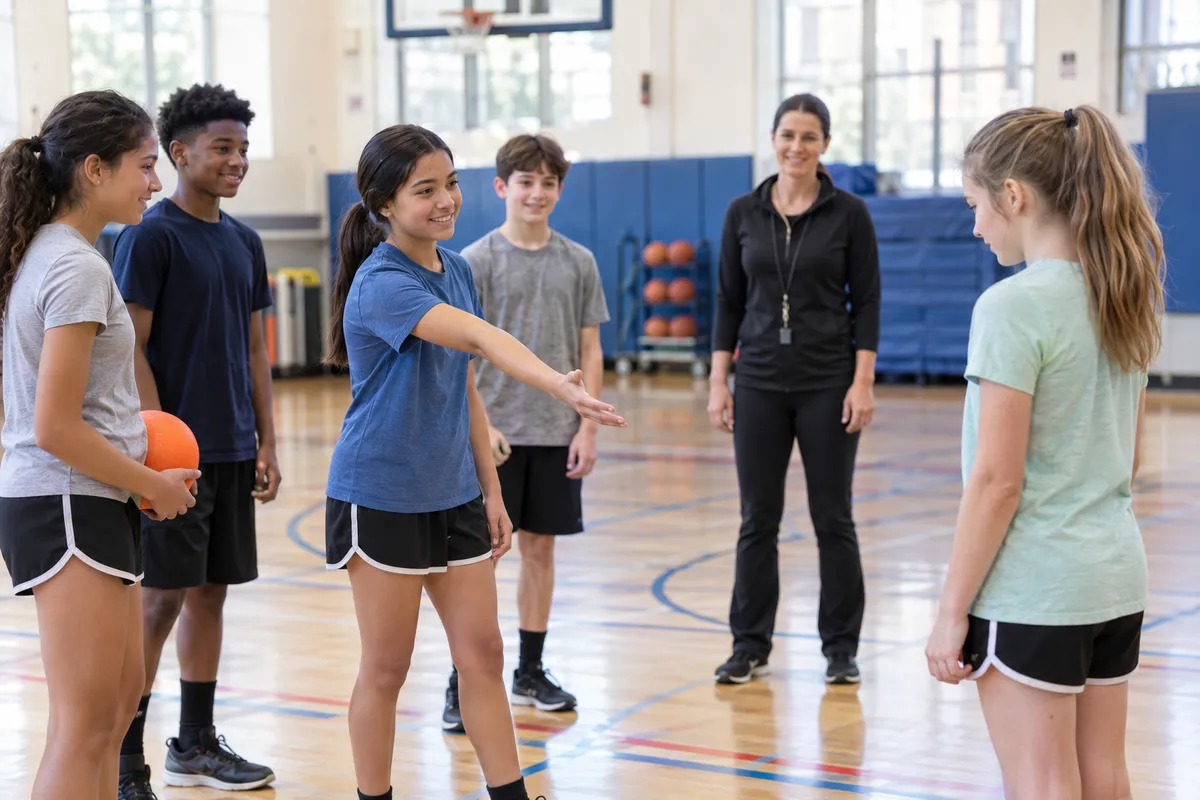
PE puts competition, comparison and physical exposure on display. Kids are picked for teams, measured against each other and visible in ways that don't happen at a desk. Those conditions can amplify vulnerability. In my read, that means the gym is a place where bullying can thrive if adults don't set the tone, and a place where kids can practice courage if they do.
Build motivation first
The study links motivation to defending peers, so engagement is not just a fitness goal. A kid who feels they belong in class is, per the findings, more likely to act. Some ways to support that:
- Offer choices. Let students pick between two activities or roles so more kids feel invested.
- Praise effort and improvement, not only winning or speed.
- Make sure every child has a meaningful job in a game, such as scorekeeper, captain or equipment lead.
These are my suggestions for putting the finding into practice, not steps the study prescribes.
Teach responsibility as a skill
Since personal and social responsibility shows up as a key factor, treat it like any other skill to practice. Try these:
- Name the expectation. Say plainly at the start of a unit: in this class, we look out for each other.
- Give kids ownership. Rotate students through leading warm-ups or setting up a fair-play rule for the day.
- End with a check-in. Two minutes asking what went well and whether anyone felt left out builds emotional awareness.
Give bystanders what they need before they step in
Wanting to help isn't the same as knowing how. Kids who feel confident and supported are better placed to act, which fits the study's emphasis on confidence, emotional skills and peer support. You can rehearse simple moves:
- Invite the targeted kid to join your team or partner up.
- Say something short and calm, like "That's not cool, let's keep playing."
- Get an adult if the situation feels unsafe.
Role-playing these in low-pressure moments makes them easier to reach for when it counts.
What parents can do at home
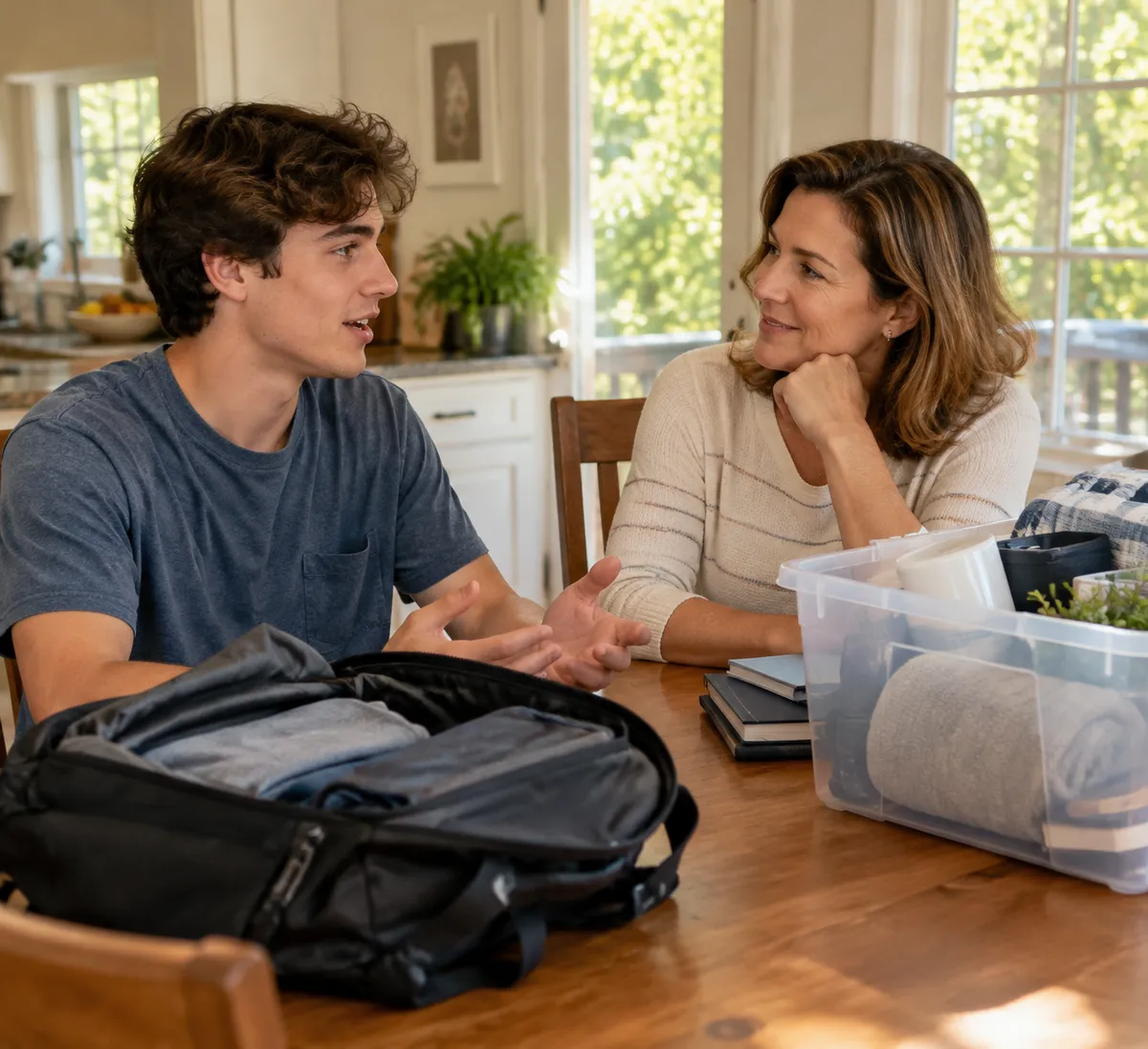
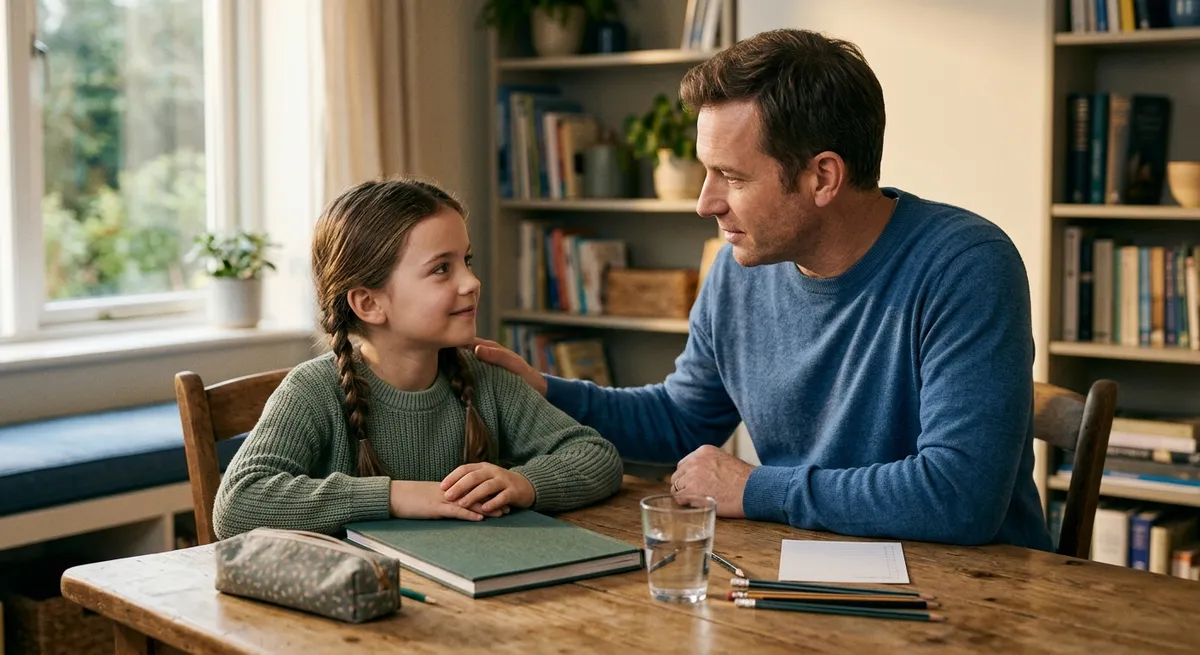
Ask your child who gets picked last, who gets left out, and what they do when they see it. Praise moments when they included someone, even if it felt small. Talk about courage as something you practice, not a trait you either have or don't.
What coaches and community leaders can do
The same logic carries into youth sports and neighborhood programs, though the study itself focused on school PE. If you run a youth league, volunteer clinic or after-school program, consider:
- Setting team values on day one and revisiting them often.
- Pairing older and newer participants so no one is isolated.
- Recognizing kids who include and encourage others, not just top performers.
Community-minded adults are well placed to do this. Local programs can reinforce the same messages kids hear at school, so the expectation of looking out for each other follows them everywhere they play.
The one thing to do this week
Pick one activity your kids or students do and add a single responsibility ritual to it: a pre-game expectation, a rotating helper role, or a closing check-in. Small, repeated habits are how a gym turns from a place kids dread into one where they learn to stand up for each other.