
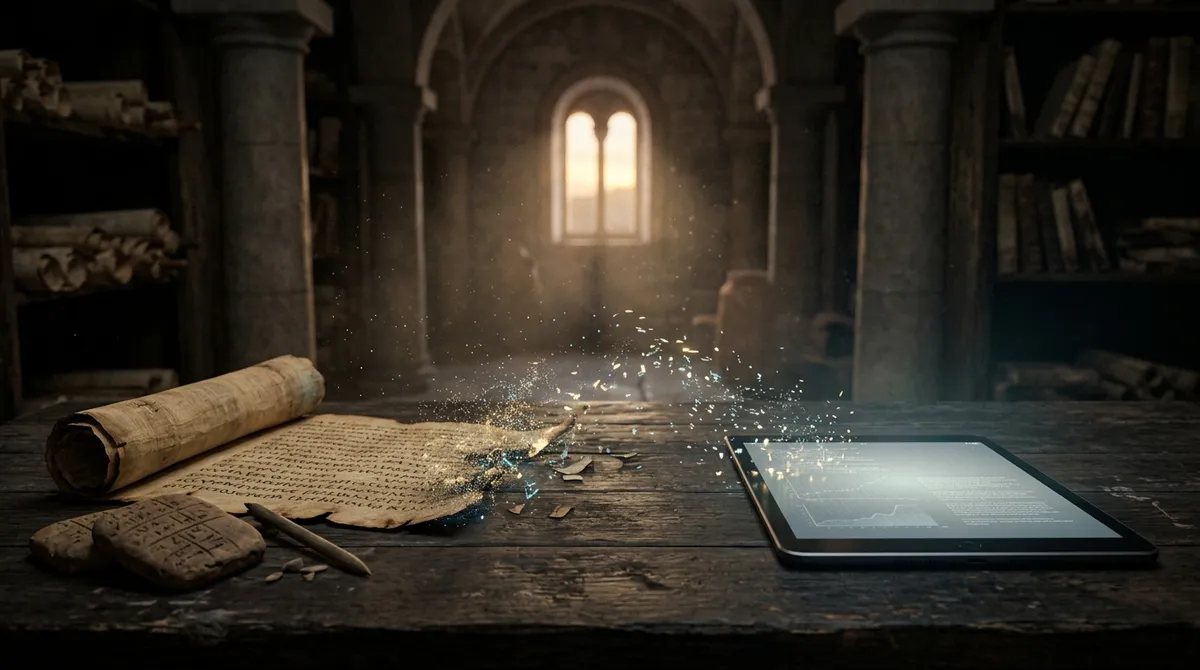
The Library of Alexandria often evokes vivid images of flames devouring scrolls, symbolizing a catastrophic loss of knowledge. However, the prevailing narrative that it was destroyed in a single, fiery moment oversimplifies a complex reality. Understanding the true story behind the decline of this legendary institution not only unravels historical myths but also sheds light on the broader implications of knowledge preservation today.
The Myth of the Fiery Destruction
For centuries, many have believed that the Library of Alexandria met its end in one great fire, an event steeped in dramatic flair. Yet, this narrative fails to capture the multifaceted reasons for the library’s decline. Historical accounts reveal that the library suffered from a series of gradual misfortunes rather than a singular catastrophic event. The truth is, the library faced neglect from various conflicts, shifting political landscapes, and a lack of sufficient care over time. The gradual decay of this vital center of learning reflects a critical lesson about knowledge—a cautionary tale about what happens when societies neglect their cultural legacies.
Knowledge Loss: A Slow Decay
As we navigate through a digital era characterized by rapid information exchange and short attention spans, the lessons from Alexandria resonate powerfully. The loss of knowledge is increasingly hidden from view; it unfolds slowly and insidiously rather than through dramatic upheaval. In our current environment, where information is easily accessible yet often dismissed, we can draw parallels to the decline of the Library of Alexandria. The library’s fate serves as a metaphor for today’s society, where cultural memory and the value of learning can deteriorate through negligence rather than being obliterated outright.
Digital Platforms and Attention Spans
In a world dominated by digital platforms, our attention is constantly fragmented. The way we consume information—often in bite-sized formats—invites concern about the depth of our understanding and commitment to learning. This reflects the adaptation of society to a post-literate culture where the richness of knowledge can often be overlooked or undervalued. Just as the library’s significance waned, we must ask: Are we allowing our understanding to diminish as well?
Preserving Knowledge in a Modern Context
The story of the Library of Alexandria serves as a stark reminder: civilizations do not always lose knowledge through catastrophe, but rather, through apathy and a failure to cherish the wisdom of the past. To mitigate this risk today, we should prioritize a culture that values continued learning, encourages critical thinking, and actively works to preserve both ancient and contemporary knowledge.
Building a Lifelong Learning Mindset
Here are some actionable steps you can take to foster a mindset of lifelong learning and ensure knowledge stays vibrant:
Engagement with History: Take time to explore historical texts and resources, understanding their context and significance. Courses or lectures on ancient history can deepen appreciation for knowledge preservation.
Promote Digital Literacy: In today's digital space, engage in discussions about the credibility of information. Share strategies to evaluate sources and encourage others to question the information presented online.
Support Local Libraries and Educational Institutions: Participate in community initiatives that prioritize educational resources. Fundraising for local libraries or advocating for educational programs enriches the cultural fabric of your surroundings.
Create a Knowledge Ritual: Integrate regular reading or learning practices into your routine, whether it’s reading a book each month, attending workshops, or joining discussion groups focused on various topics.
The Responsibility of Knowledge Preservation
As we reflect on the lessons from the Library of Alexandria, let’s acknowledge that the responsibility to preserve knowledge resides with each of us. The past teaches critical lessons about the consequences of neglect; it challenges us to actively partake in the preservation of our own cultural legacies. In an age where knowledge can decay from disinterest, it’s essential to be agents of change, fostering environments that celebrate and preserve both historical narratives and contemporary learning.
By understanding the real story of the Library of Alexandria, you can appreciate the need for continuous engagement with knowledge, empowering you to advocate for a more informed, literate society.