
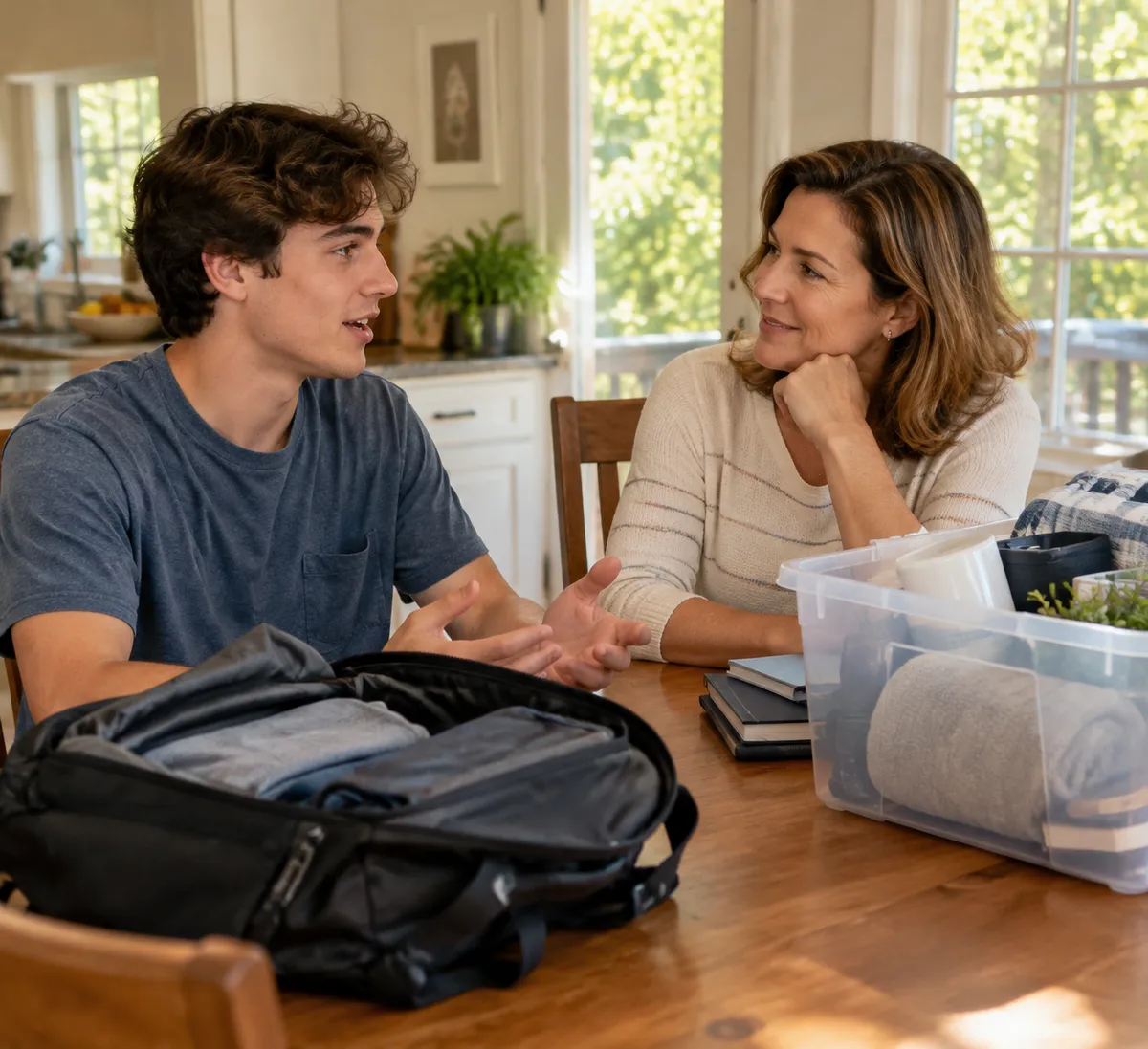
Your teen is about to move into a dorm, and the cultural script says your job is basically done. Psychiatrist Daniel Amen, M.D., disagrees. In a post reported by Indiatimes, he argues that parents should rethink stepping back as children leave for college, saying, "You put underdeveloped brains together." This guide turns that idea into something you can actually use: a plan for conversations, safety, and staying connected without hovering.
Why 18 Isn't a Finish Line
Per the Indiatimes report, Amen's point is that brain development, peer pressure, alcohol, cannabis, and psychedelics can combine into risky situations. Young adults are still building decision-making and impulse-control skills, even as they gain full independence.
That gap is the heart of it. Turning 18 changes legal status. It doesn't flip a switch in judgment. Yet the culture often treats 18 as a hard cutoff for guidance, and party culture, where cannabis and psychedelics are more normalized, doesn't help.
You can't control your teen's choices from a distance. You can shape how prepared they are and whether they call you when something goes sideways.
Monitoring vs. Spying: Know the Difference
The reporting reframes "parental monitoring" as ongoing trust, preparation, and open conversation, not surveillance. In practice:
- Monitoring looks like: a weekly call you both look forward to, honest questions, agreed-upon check-ins, and your teen knowing they can reach you without a lecture.
- Spying looks like: secretly tracking, reading messages, or quizzing friends behind their back.
The first builds a relationship that holds up under stress. The second tends to teach teens to hide things. Decide which one you're doing before move-in day, and tell your teen what to expect.
Questions to Ask Before They Leave
Ask these as real questions, then listen. Treat them as a conversation, not an interrogation.
- What do you think the party scene will be like, and where do you see yourself in it?
- What would you do if a friend drank too much or had a bad reaction to something?
- How would you handle being offered cannabis or a psychedelic?
- Who is one person on campus you'd call if you felt in over your head?
- What would make it easy for you to call me when something goes wrong?
The last one matters most. It puts the barrier to honesty on the table, so you can lower it.
Talking About Cannabis and Psychedelics Without Lecturing
Lectures end conversations. Try this approach instead:
- Start with curiosity. "What are you hearing from friends about cannabis and psychedelics?" gets more than "Don't do drugs."
- Name the reason, briefly. Share the concern in one or two sentences: the teen brain is still developing impulse control, and these substances are more normalized than they used to be.
- Let them talk. If you speak more than they do, you're lecturing.
- End with an open door. "If something happens, I'd rather get the call than not."
You're aiming for a teen who thinks of you as a resource, not a risk to manage.
Give Them a Way Out: Exit Scripts
Peer pressure is easier to resist with lines already in your pocket. Practice a few together, ideally with a laugh:
- "I'm good, I've got an early morning."
- "Nah, I'm the designated driver tonight."
- A pre-agreed text: your teen sends one word or emoji, and you call with a "need you home" excuse, no questions asked.
That last one is a safety plan as much as a script. It gives your teen a face-saving exit and a guaranteed ally.
Build a Simple Safety Plan
Before move-in day, agree on the basics:
- Check-in rhythm: for example, a call on Sunday and a text when something big happens.
- A buddy rule: go out together, leave together.
- A no-judgment pickup: if they need a ride or a call at midnight, you'll answer first and discuss later.
- A backup contact: a trusted person on or near campus.
These specifics are suggestions rather than anything from Amen's post, so adjust them to your family. What matters is that your teen helped write them.
Keep the Wellness Habits Going
Prepared teens also need the basics that steady a developing brain and a busy life: regular sleep, real meals, movement, and downtime. Talk about how they'll keep those going in a dorm, from workout routines to easy meals to a few minutes of mindfulness before exams. It's less dramatic than a drug talk, but it supports every decision they'll make.
The Takeaway
Before move-in day, schedule one unhurried conversation with your teen, ask the five questions above, and finish with this: "Whatever happens, call me." Then make sure the first time they do, you respond like someone worth calling.