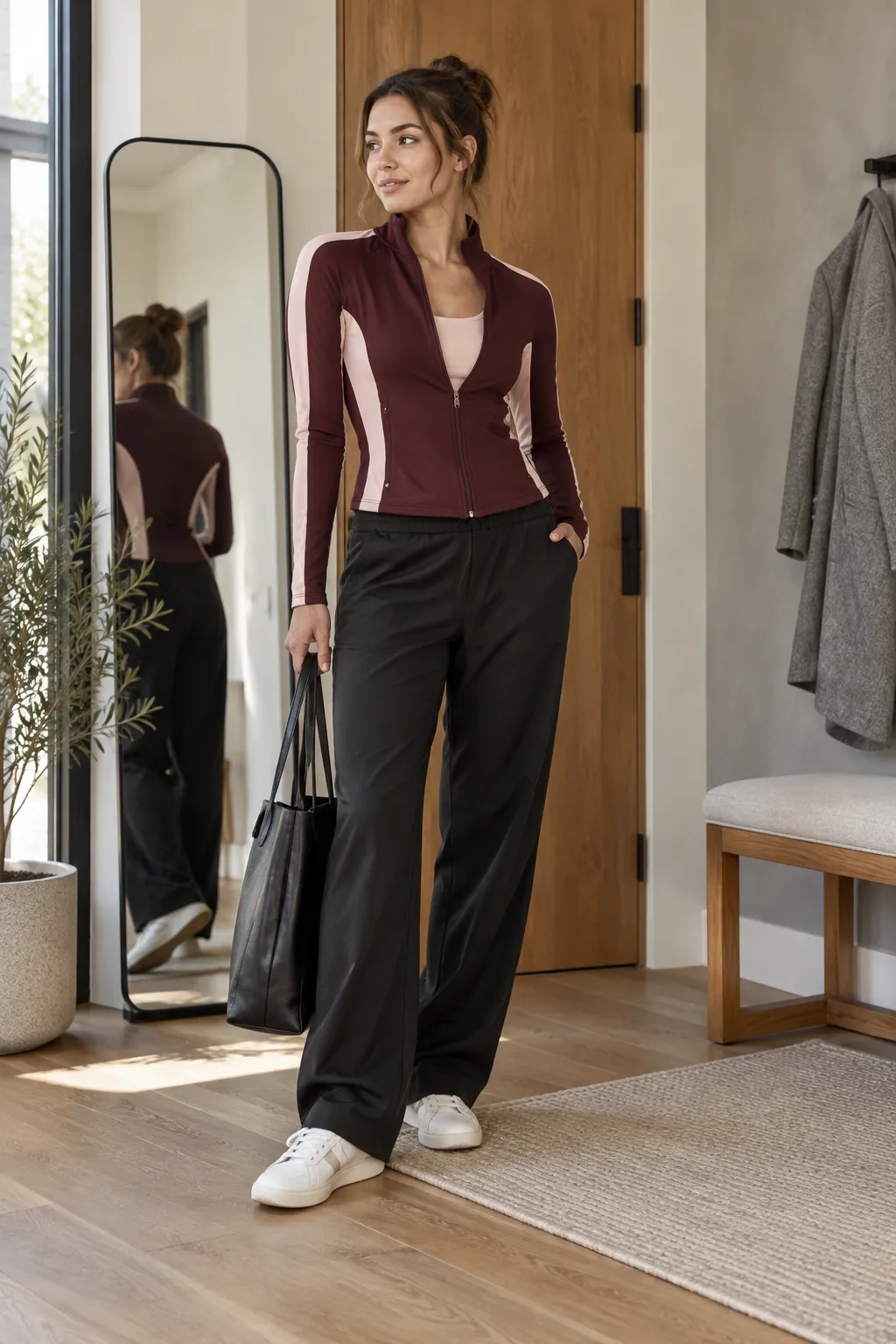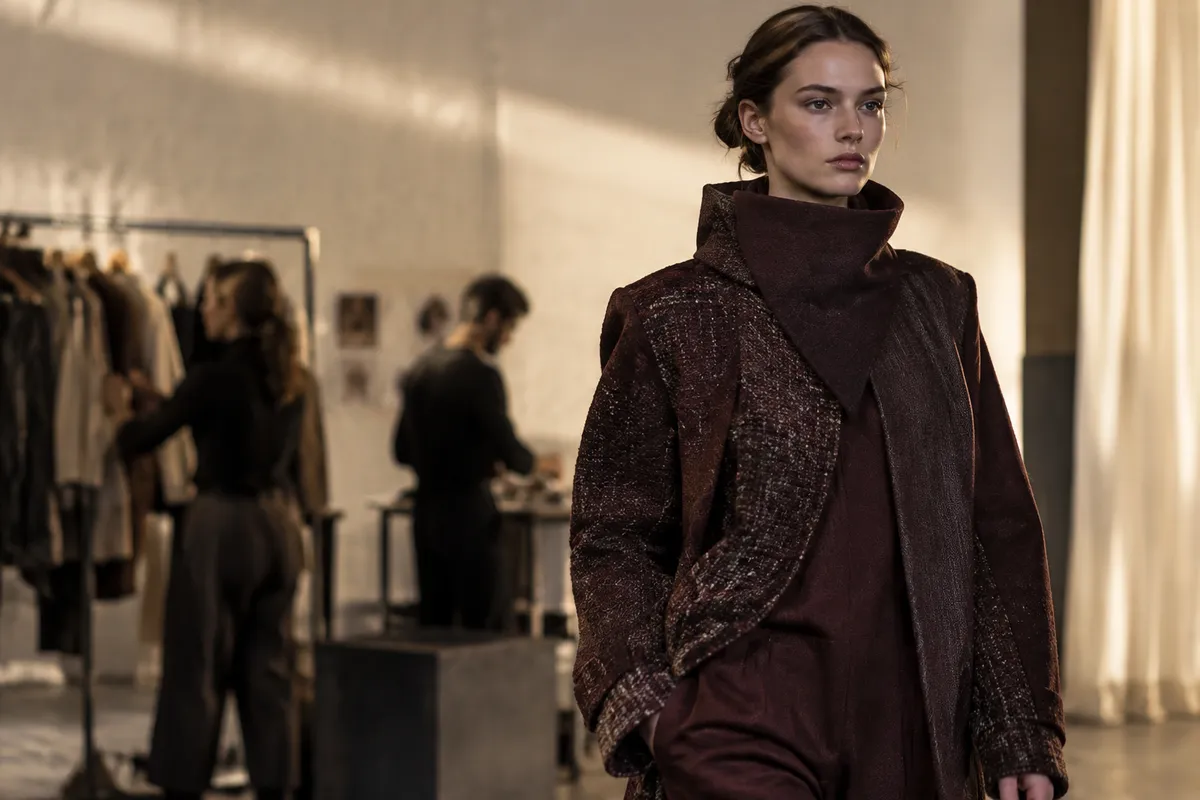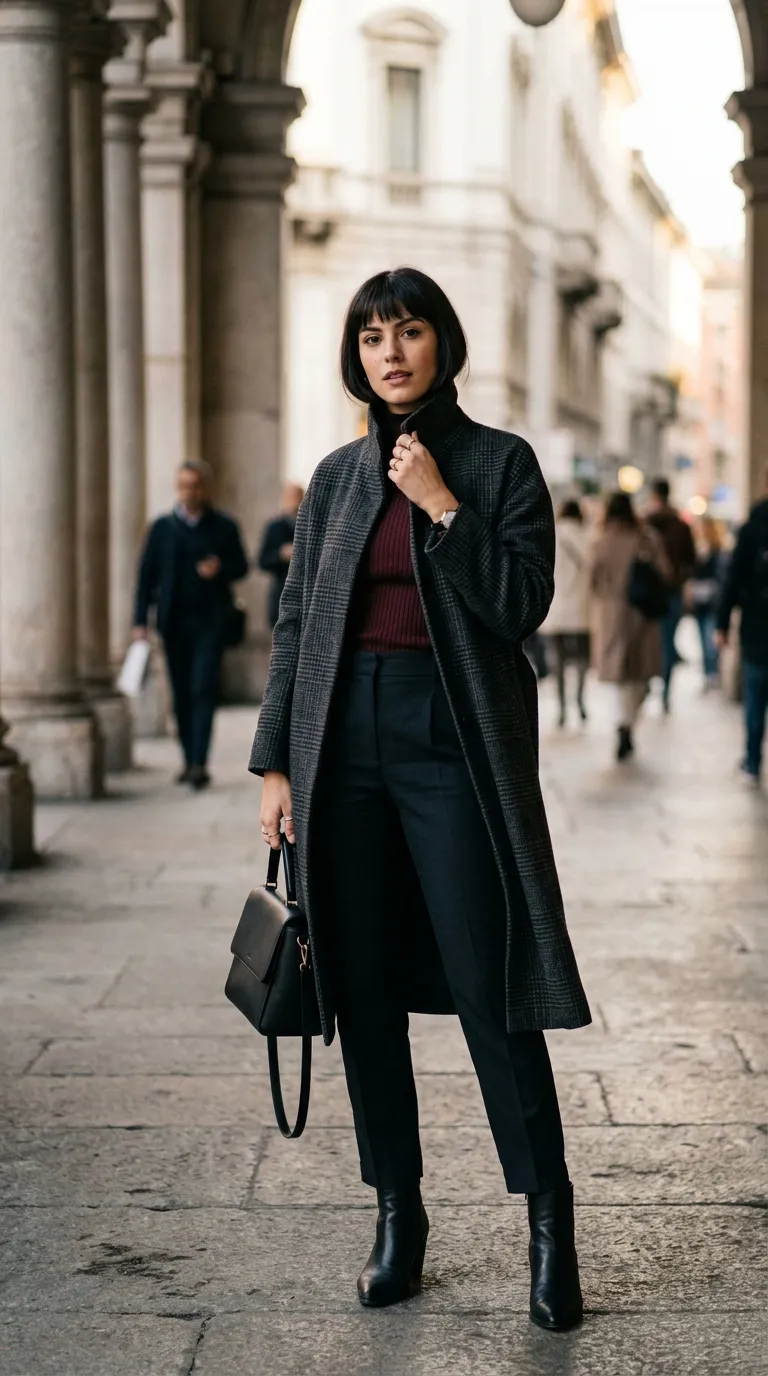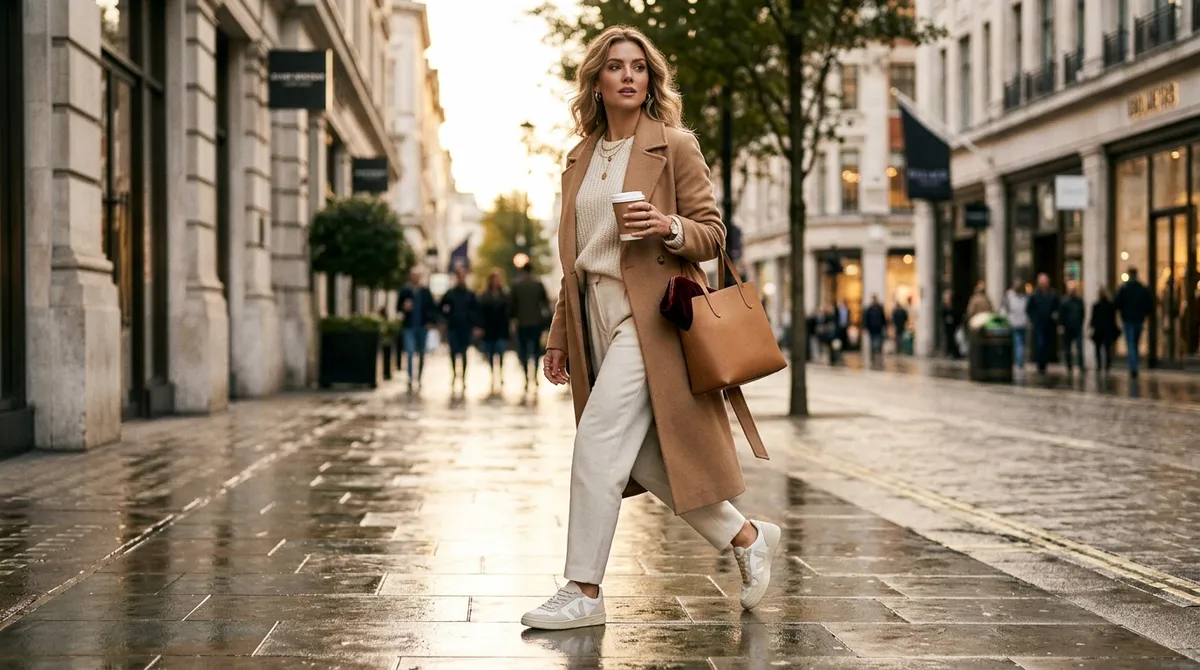
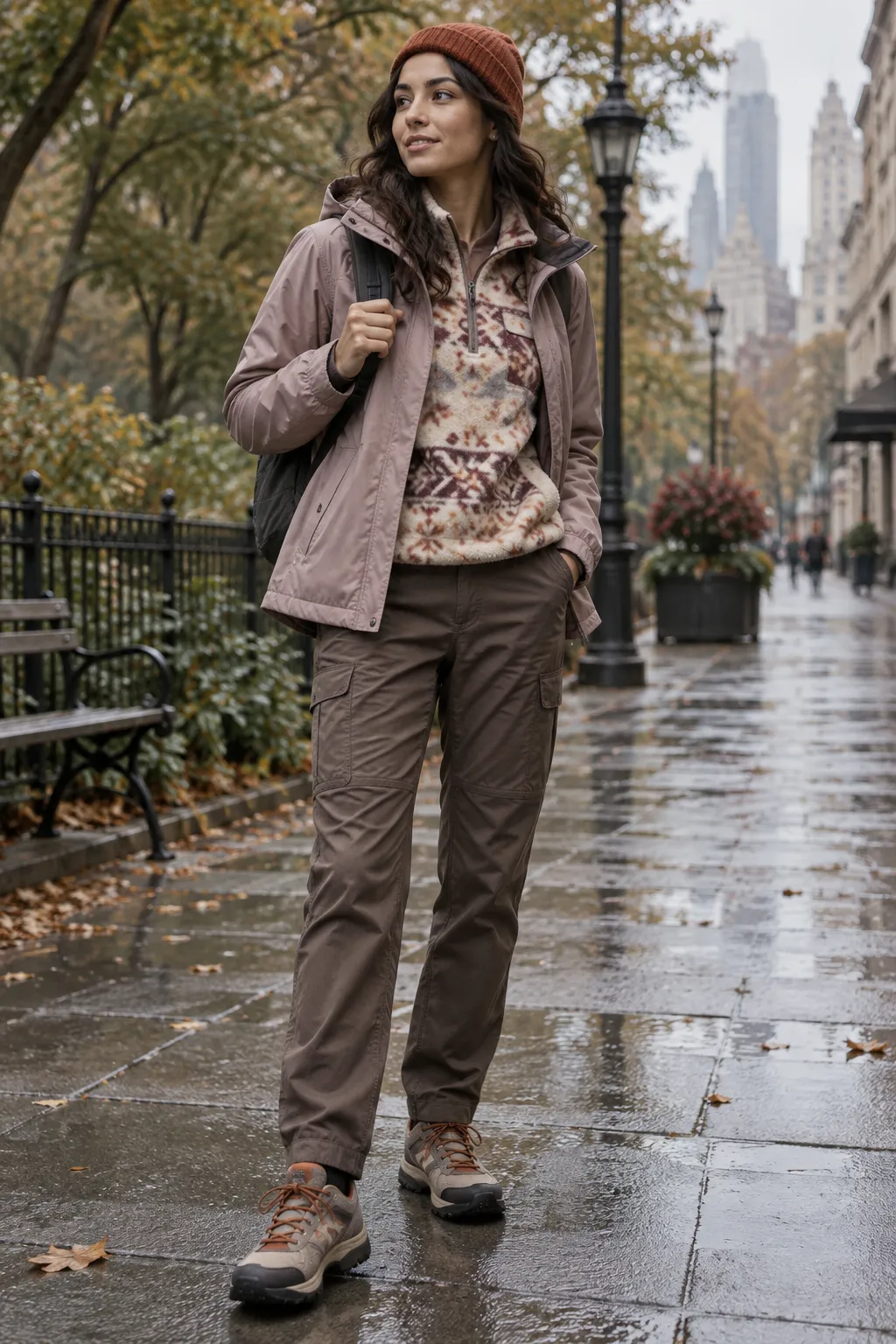
Outdoor retailer Blacks has launched a women's lifestyle edit, which Fashionnetwork reports builds on the "urban adventurer" rebrand the retailer introduced in the spring. The drop is described as "reflecting a new generation of outdoor consumers dressing for life in and beyond the city." (Fashionnetwork's report refers to the collection as both AW25 and AW26; the details below stick to what the report supports.)
The details of each piece aren't what matters here. The idea is useful on its own: clothes that handle a walk in the rain, a day out, and a dinner afterward. Here's how to build that kind of wardrobe yourself, and why it fits a healthy, active life.
Why the "Urban Adventurer" Look Works
Per the coverage, Blacks is positioning itself toward a younger consumer who wants versatile pieces for everyday life and outdoor activity alike. That reflects a wider retail shift toward hybrid wardrobes, where practical, weather-ready clothing still feels trend-led.
The healthy-living payoff is simple. When your everyday clothes can handle weather, you're more likely to walk the long way, take the park route, or say yes to a spontaneous hike. Fewer outfit changes means fewer excuses.
Step 1: Start With One Weather-Ready Layer
Pick a single outer layer you'd actually wear every day. Choose it for function first (wind and rain protection, comfortable movement), then check that the shape and colour suit what you already own.
- Neutral shades pair with almost everything.
- Make sure you can raise your arms and sit comfortably in it. If it restricts a commute, it won't get worn.
- Leave room for a mid-layer underneath.
Step 2: Mix Technical With Everyday
The easiest way to make outdoor pieces feel city-ready is contrast. Pair a technical jacket with pieces that aren't technical at all:
- A performance shell over a knit and straight-leg trousers.
- A fleece or lightweight insulated layer over a simple dress with boots.
- Trail-ready trainers with tailored or relaxed everyday bottoms.
The rule: one or two technical items per outfit. Head-to-toe gear reads like a hiking trip. One standout piece reads like style.
Step 3: Choose Pieces That Do Two Jobs
The hybrid wardrobe is about cost per wear. Before buying, ask whether the item works in two settings. A jacket you'd wear on a Saturday trail and a Monday commute earns its place. A piece you'd only wear on a mountain probably doesn't, unless you're regularly on one.
Step 4: Add Accessories That Carry Your Day
Blacks' edit covers women's accessories as well as clothing, and accessories are where function shows up most. Think about what supports an active day:
- A bag that holds a water bottle, layers, and a snack comfortably.
- A hat or beanie for changeable weather.
- Socks and footwear you can walk in for hours.
Carrying water and a snack is a small habit that quietly supports your energy, which makes the practical bag a wellness tool as much as a style one.
Step 5: Build Outfits Around Movement
Plan for the day you actually have. A few examples:
- Workday with a walk: weather shell, comfortable shoes, a bag you can wear across your body.
- Weekend errands and a park loop: layered top, easy trousers, trainers that grip.
- Evening out after fresh air: swap the trainers for boots and keep the jacket.
What the Shift Tells Us
The move from technical retailer toward lifestyle brand is worth watching, though that reading is analysis rather than something Blacks has spelled out in the coverage. When outdoor brands design with city wear in mind, shoppers get more choice in clothes that suit an active routine without looking like kit.
The Takeaway
Pick one weather-ready layer you'd wear on the busiest day of your week, build two outfits around it, and let it nudge you outdoors a little more often.