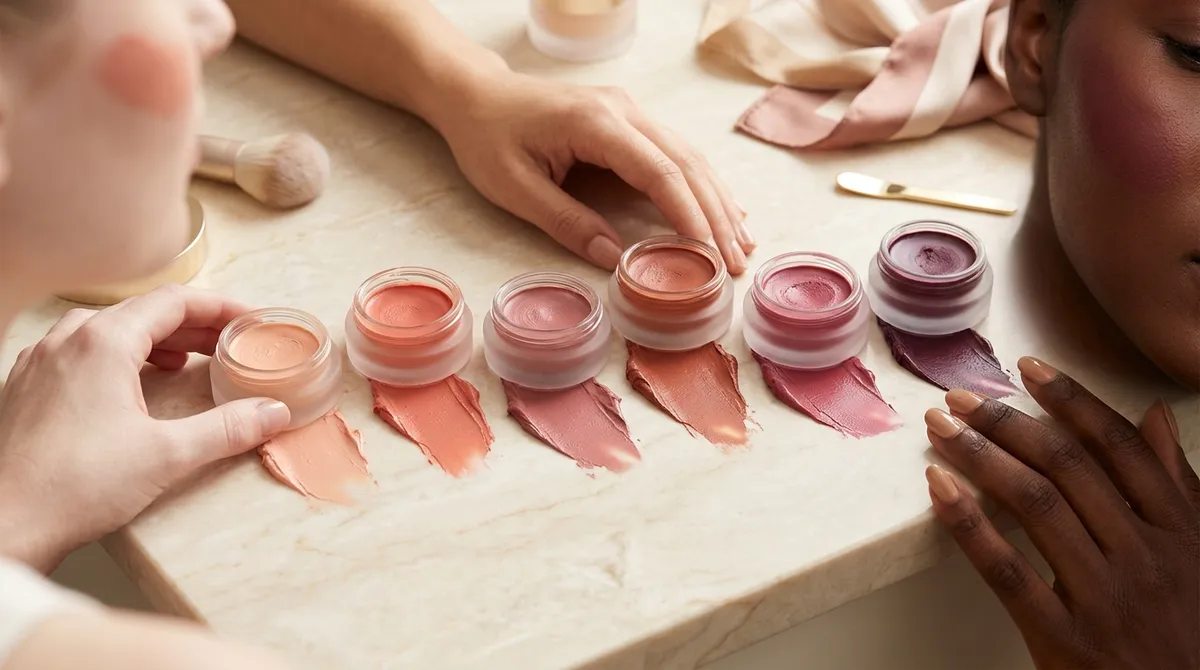
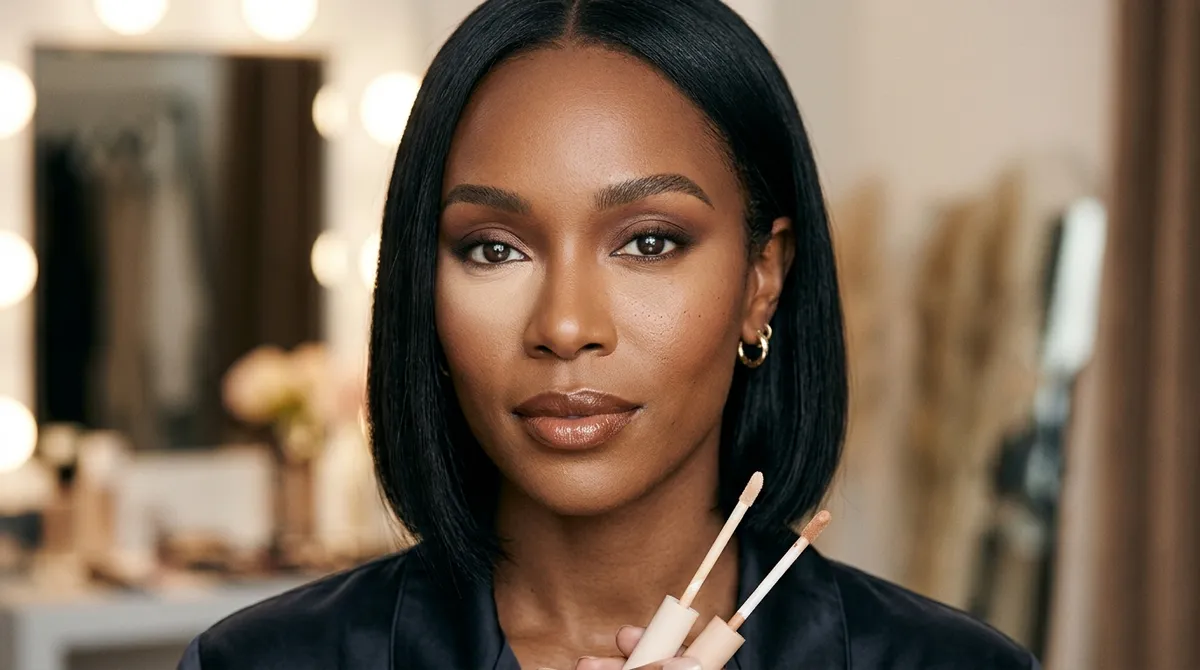
Concealer can be your best friend or your biggest makeup faux pas, especially when it comes to choosing the right shade. Have you ever wondered if your concealer should match your foundation or be a shade lighter? The answer isn’t straightforward. Let’s break down how to choose the right concealer shade to enhance your makeup game and avoid those common pitfalls.
When Should Your Concealer Be Lighter Than Foundation?
Makeup artists agree that concealer choice isn’t one-size-fits-all. Using a lighter shade of concealer can brighten the under-eye area, making you look fresh and awake. This technique is particularly effective for brightening tired eyes or highlighting cheekbones. However, for blemishes or areas of pigmentation, it’s best to opt for a shade that matches your skin tone.
Brightening the Undereye
To achieve that coveted bright-eyed look, use a concealer that is one or two shades lighter than your foundation. This technique draws attention away from dark circles and gives your face an overall lifted appearance. Remember to choose a concealer that complements your undertone as well, be it cool, warm, or neutral.
Matching Skin Tone for Blemishes
When it comes to covering blemishes or discoloration, err on the side of caution. Select a concealer that matches your foundation shade exactly. This prevents highlighted blemishes and gives a more seamless finish. Make sure to blend it well for a natural look.
When to Go Darker
Sometimes, your makeup strategy requires going a shade darker—especially for correction and dimension. A darker shade can be used strategically to contour and create shadows, adding dimension to your features. Use it sparingly in areas like the jawline or under the cheekbones for an enhanced, sculpted look.
Tips for Shade Matching
With "skin-first" trends trending, understanding how to choose your concealer is more important than ever, especially for those shopping online. Here are some practical tips:
Swatch Test: Even if you're shopping online, many brands offer swatch options or virtual try-on tools. Use these accessories to see how the color looks against your skin.
Check the Undertone: Pay close attention to whether your skin tone is warm, cool, or neutral as this significantly affects how the concealer will blend with your skin.
Consider the Finish: Look for a concealer with a finish that aligns with your overall makeup look. If you prefer a dewy look, choose a hydrating formula. For a matte finish, consider a full-coverage option.
Revisit Your Concealer Collection: If you already have multiple concealers, try them on your face to evaluate how each performs under different lighting conditions. You might be surprised at what you've been overlooking.
Avoid Common Concealer Mistakes
Many of us have faced the frustration of applied concealer appearing too light, ashy, or, worse, highlighted by flash photography. To evade these pitfalls:
- Always blend adequately to prevent harsh lines.
- Avoid using one shade for every application. Instead, customize your approach based on the area you are concealing.
- Keep track of your concealer’s expiry—old products can behave unpredictably.
The Bottom Line
Your concealer can elevate your makeup, but only if you choose the right shade for the job. Opt for lighter shades to brighten specific areas, exact matches for blemishes, and darker tones for dimension. Remember, it’s all about achieving that flawless, natural look without compromising your skin’s beauty. Make thoughtful choices about your concealer shades to flaunt a stunning and radiant appearance every day!