
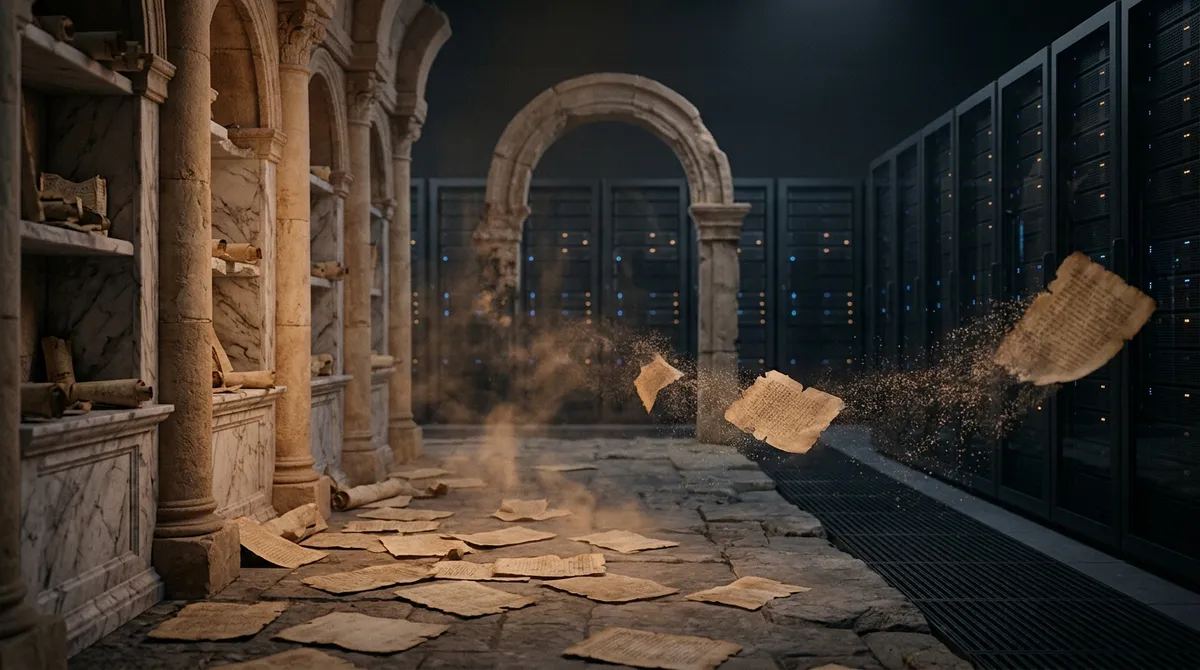
The Library of Alexandria is often romanticized as the ancient world’s greatest repository of knowledge, but its story is far more nuanced than simply being engulfed in flames. Most people believe that it was destroyed in a single catastrophic fire, yet the truth reveals a more concerning issue: the gradual decline in the care for knowledge preservation.
A Misinterpretation of History
The myth of the Library’s destruction doesn’t just capture a moment in time; it reflects a broader attitude toward knowledge itself. The library, established during the reign of Ptolemy I (around 283 BCE), was once the center of scholarly activity. However, its demise wasn't marked by a single event. Instead, various factors over centuries led to the slow erosion of its significance. It suffered multiple assaults throughout history, neglected by those who once valued its resources. This ongoing neglect is a powerful reminder of how easy it is for cultures to lose touch with their intellectual heritage.
Why Myths Persist
The reason historical myths like that of the Library of Alexandria's fiery demise continue to thrive is largely cultural. Simpler narratives are more memorable and dramatic than complex truths. They're easier to digest, especially in a world where brevity reigns supreme. In modern culture, where social media feeds and sound bites dominate, the tendency to favor sensational over nuanced stories only intensifies. The myth serves a psychological purpose—it highlights our fears about knowledge loss in an increasingly ‘post-literate’ world.
Alexandria as a Modern Metaphor
Today’s rapid technological changes mirror the fate of the Library of Alexandria. While access to information has skyrocketed with the internet, the manner in which we consume it is concerning. Attention spans are dwindling, and many users skim through information without fully engaging. Just as the library's scrolls faded from the consciousness of the era, there exists a real fear that much of our current knowledge will unravel, not due only to disaster, but to apathy.
Entering a Post-Literate Society?
As we navigate the landscape of digital learning, we find ourselves facing profound questions about literacy and engagement with knowledge. Are we entering a post-literate society, where the value of deep reading and critical thinking diminishes? This transition could lead to another form of knowledge loss—not through fire, but through neglect.
Conclusion: The Imperative of Preservation
The story of the Library of Alexandria compels us to consider the consequences of our cultural attitudes toward knowledge. As technology continues to shape our information consumption, it’s crucial for us to actively preserve our intellectual legacy. Instead of waiting for a crisis to ignite our serious engagement with knowledge preservation, let’s prioritize meaningful interactions with the extensive wisdom that surrounds us. Just as Alexandria’s tale reminds us, the greatest threats to knowledge are not always dramatic collusions; sometimes, it’s about investing our energy into protecting and nurturing it every day.