
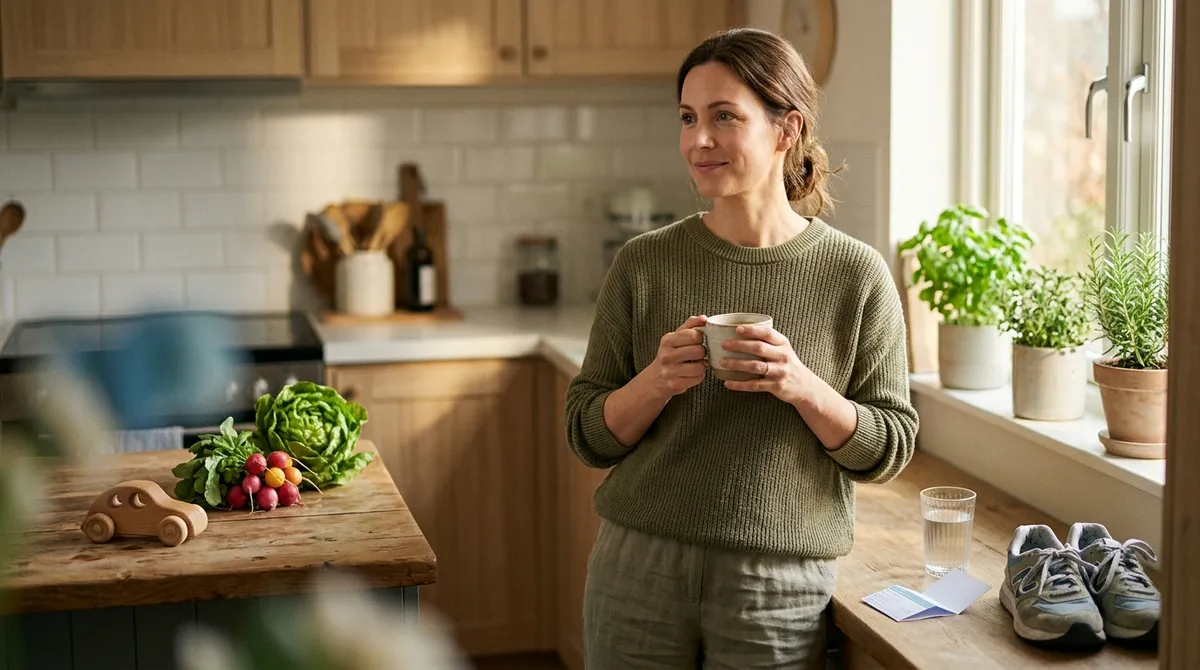
As women enter their 30s, their health needs and risks often evolve, requiring more attention and care. This life stage may bring about various health challenges that can affect daily life and long-term well-being. Understanding these common health issues and taking proactive measures can significantly enhance quality of life for women over 30.
Cardiovascular Concerns
Heart health becomes increasingly important for women as they age. The risk of heart disease and related conditions can rise, partly due to lifestyle and hormonal changes. To mitigate these risks, women should focus on maintaining a balanced diet rich in fruits, vegetables, and whole grains, and engage in regular physical activity. Monitoring blood pressure and cholesterol levels also plays a crucial role in prevention.
Diabetes Management
The onset of type 2 diabetes can become a concern for women in their 30s, particularly if there is a family history or lifestyle factors like poor diet and lack of exercise are present. To lower the risk, it's vital to maintain healthy body weight and incorporate regular exercise into daily routines. Regular screenings can help detect early signs, allowing for timely interventions.
Osteoporosis and Bone Health
Women's bone density tends to decrease with age, making osteoporosis a common concern. Adequate intake of calcium and vitamin D is essential to support bone health. Weight-bearing exercises, such as walking and strength training, can also help maintain bone density. Women should consult healthcare providers for personalized advice on supplements and lifestyle changes.
Reproductive Health Issues
Reproductive health issues can emerge in women over 30, including conditions like fibroids or endometriosis. Regular gynecological check-ups are crucial for early detection and management of these conditions. Maintaining a healthy lifestyle, managing stress, and understanding the body's changes can contribute to better reproductive health.
Mental Health and Well-being
Mental health is a significant aspect of overall well-being, and women in their 30s may face challenges such as anxiety and depression. Prioritizing mental wellness through mindfulness practices, adequate sleep, and open communication with loved ones can be beneficial. Seeking professional help when necessary is also important in managing mental health effectively.
Effective Prevention Strategies
Preventive healthcare is a powerful tool in managing these health concerns. Regular medical check-ups and screenings can help identify potential issues early. Adopting a lifestyle that includes balanced nutrition, regular physical activity, and mental wellness practices can significantly reduce health risks. Additionally, women should stay informed about their individual health needs and adjust their wellness strategies accordingly.
Conclusion
As women navigate their 30s, understanding and addressing common health issues can lead to a healthier, more fulfilling life. By taking proactive steps and seeking regular medical advice, women can effectively manage their health and enjoy life to the fullest.