
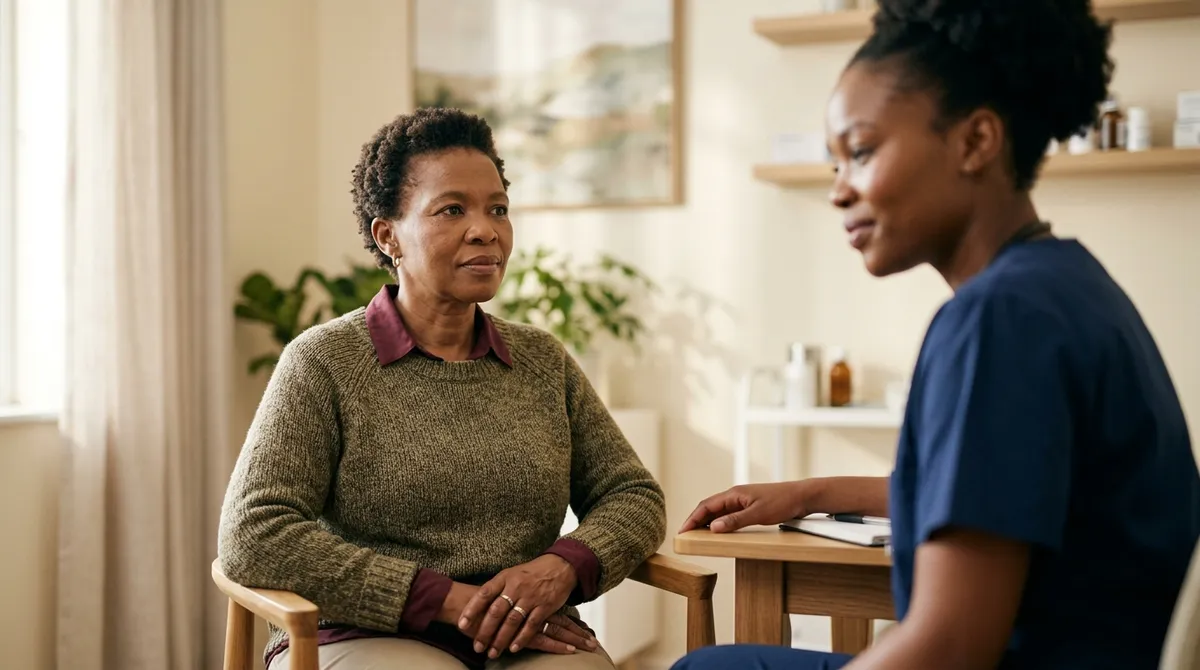
Understanding the complexities of women's health is crucial for addressing various issues that can significantly impact daily life. One such condition is menorrhagia, or heavy menstrual bleeding, which affects many women across the globe, including in South Africa. This disorder can disrupt normal activities, causing both physical discomfort and emotional distress.
Defining Menorrhagia
Menorrhagia is characterized by abnormally heavy or prolonged menstrual periods. While it's normal for menstruation to vary in intensity, women with menorrhagia experience a flow so excessive that it can interfere with normal life. This condition can lead to severe blood loss and cramping.
Symptoms and Indicators
Key symptoms of menorrhagia include soaking through sanitary protection every hour, bleeding for more than a week, and passing large blood clots. These symptoms can lead to anemia, causing fatigue and shortness of breath. Women should consult healthcare professionals if these symptoms arise, as early diagnosis can prevent complications.
Causes of Heavy Menstrual Bleeding
There are various causes of menorrhagia, including hormonal imbalances, which can affect the menstrual cycle regulation. Uterine fibroids, noncancerous growths in the uterus, and polyps can also contribute to excessive bleeding. Additionally, complications related to pregnancy, such as miscarriage or ectopic pregnancy, might result in heavy bleeding.
Impact on Quality of Life
Living with menorrhagia can significantly impact a woman's quality of life. The constant worry of managing heavy bleeding can lead to stress and anxiety. Social activities, work performance, and even basic daily tasks can become challenging. Moreover, the physical symptoms, such as fatigue, can further exacerbate these challenges.
Treatment Options
Treating menorrhagia involves addressing the underlying cause while managing symptoms. Hormonal therapies, like birth control pills, can help regulate the menstrual cycle and reduce bleeding. Non-hormonal medications, such as tranexamic acid, can also be effective. In more severe cases, surgical interventions like endometrial ablation or hysterectomy might be recommended.
Seeking Medical Advice
It's essential for women experiencing symptoms of menorrhagia to seek medical advice. A healthcare provider can perform necessary tests to diagnose the condition and recommend appropriate treatment options. Early intervention can mitigate the effects of heavy periods, improving both physical and emotional well-being.
Support and Awareness
Raising awareness about menorrhagia is vital for encouraging women to seek help. Support groups and healthcare initiatives can provide valuable information and emotional support. Educating communities about this condition can also reduce stigma and promote understanding, empowering women to take control of their health.
In conclusion, menorrhagia is a significant health issue that requires attention and understanding. By recognizing the symptoms and seeking appropriate care, women can manage this condition effectively, improving their quality of life and overall health.