Breaking Down the Research Findings
A comprehensive new study has analyzed data from 31 research studies to determine which types of exercise are most effective at lowering blood pressure. According to the research, combining different workout styles produces superior results compared to focusing on just one type of exercise.
The study found that combining aerobic exercise, resistance training, and high-intensity interval training (HIIT) can effectively lower blood pressure. However, the research revealed that aerobic exercise paired with resistance training showed especially strong results for reducing blood pressure levels.
Why This Combination Works
According to the research, this exercise combination helps improve cardiovascular health through multiple mechanisms. The workouts benefit blood vessels, enhance heart efficiency, and contribute to lowering resting blood pressure. This multi-faceted approach appears to create a more comprehensive impact on cardiovascular health than single-mode exercise routines.
The findings suggest that different types of exercise work together synergistically. Aerobic activities like walking and cycling improve cardiovascular endurance and blood vessel function, while resistance training strengthens the heart muscle and improves overall circulation patterns.
The Silent Health Threat
High blood pressure represents a significant health concern because it's often symptomless, earning it the nickname "the silent killer." According to reports, this condition is commonly overlooked yet linked to major health risks including heart attack and stroke. This makes prevention-focused fitness strategies particularly valuable for long-term health maintenance.
The research provides people with a practical approach to using exercise as a heart-health tool that can complement other health strategies beyond medication or dietary changes alone.
Building Your Blood Pressure-Lowering Routine
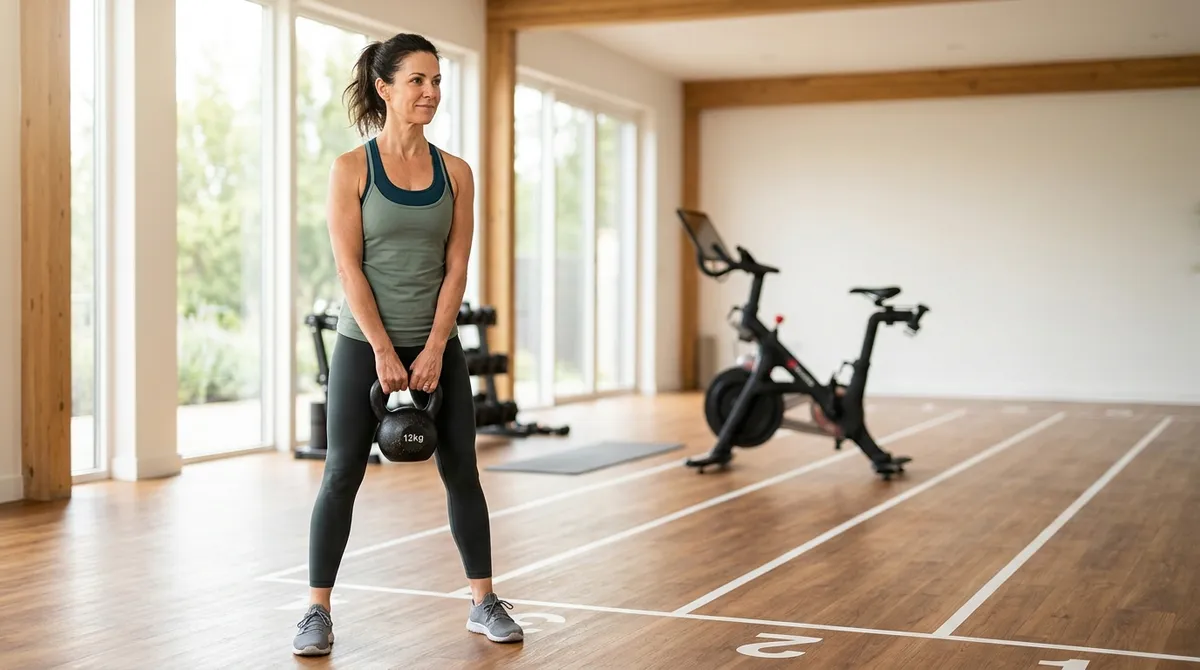
Based on the study findings, an effective weekly workout plan should incorporate multiple exercise types. The research suggests that combining walking or cycling (aerobic exercise) with strength training activities provides the strongest foundation for blood pressure reduction.
For those new to exercise, starting with basic aerobic activities and gradually adding resistance training can help build a sustainable routine. The "walking plus weights" combination appears to offer significant heart-health benefits while remaining accessible to most fitness levels.
HIIT as an Optional Addition
While the study found that adding HIIT to aerobic and resistance training can provide additional benefits, the research showed that the aerobic-resistance combination alone produced especially strong results. This suggests that people can achieve meaningful blood pressure improvements without necessarily incorporating high-intensity workouts.
For those interested in adding HIIT, it can serve as an optional component to further enhance cardiovascular benefits. However, the research indicates that consistent aerobic and resistance training forms the most important foundation.
Making It Practical
The study's findings translate into actionable fitness advice for preventing and managing high blood pressure. Rather than focusing on a single exercise type, the research supports a balanced approach that includes regular aerobic activity combined with strength training sessions throughout the week.
This approach provides what researchers describe as the "best bang for your blood pressure" by targeting multiple aspects of cardiovascular health simultaneously. The combination appears to create lasting improvements in resting blood pressure levels while supporting overall heart function.
Moving Forward with the Research
The comprehensive analysis of 31 studies provides strong evidence for the effectiveness of combined exercise approaches in managing blood pressure. For health-conscious individuals and fitness enthusiasts, this research offers a clear pathway for structuring workout routines that prioritize cardiovascular health.
The findings emphasize that exercise serves as a powerful tool for heart health maintenance, particularly given the often-silent nature of high blood pressure. By incorporating both aerobic exercise and resistance training into regular routines, individuals can take proactive steps toward better cardiovascular health and reduced risk of serious complications.