The Growing Need for Better Form Guidance
As more people turn to at-home Pilates through videos and apps, according to reports, small technique mistakes often go unnoticed—reducing workout effectiveness and potentially causing discomfort. A Pilates instructor has identified five fundamental moves that beginners commonly perform incorrectly, offering simple form adjustments that can make these exercises both safer and more impactful.
The growing demand for beginner-friendly fitness guidance has highlighted how crucial proper form is, especially when exercising without direct supervision. Understanding these common mistakes can help practitioners feel Pilates in the right muscles while avoiding unnecessary strain.
The Five Problem Moves
According to the instructor, these five exercises consistently trip up beginners:
1. Femur Arc
This foundational movement is often performed with improper alignment, reducing its effectiveness for core engagement and hip mobility.
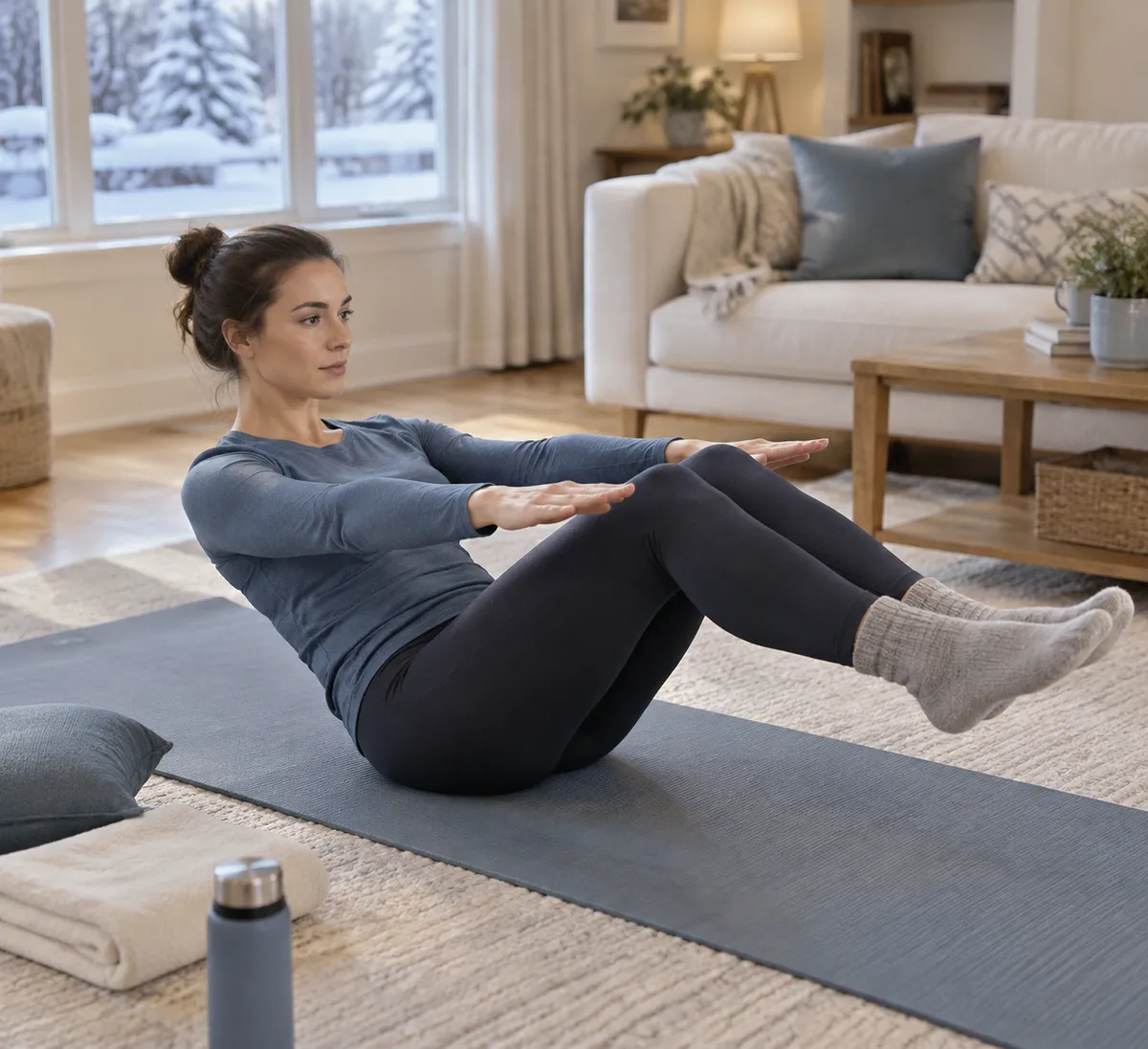
2. Chest Lift
Many beginners struggle with this core-strengthening move, often creating tension in the wrong areas instead of properly engaging the abdominals.
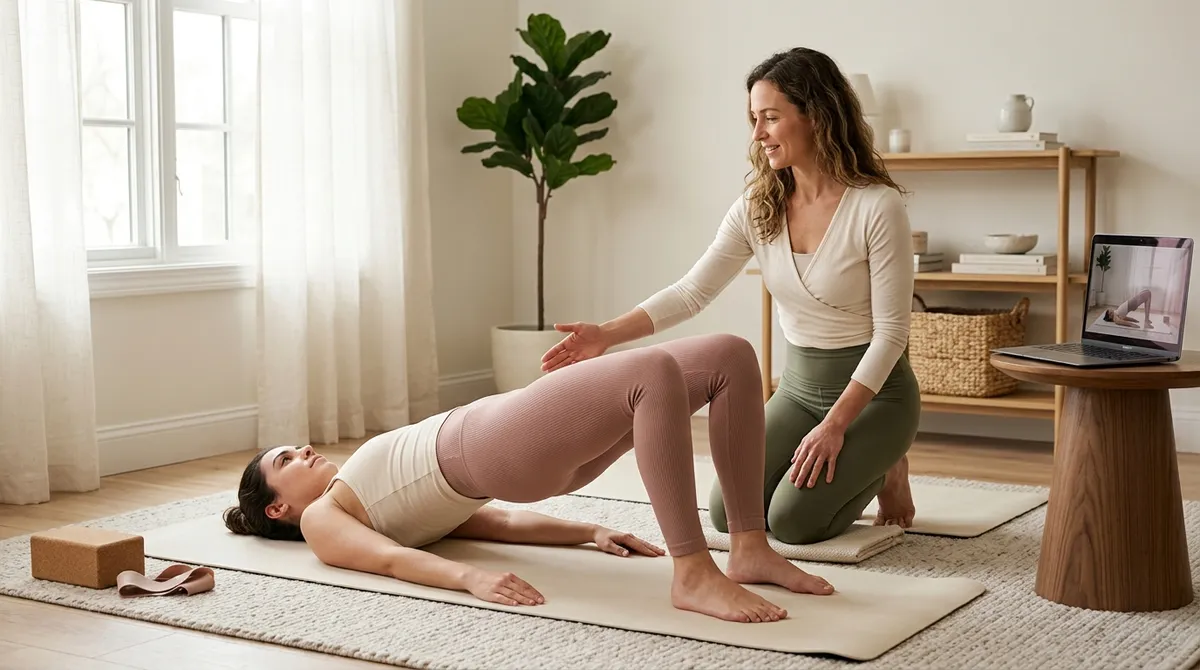
3. Glute Bridge
While seemingly straightforward, this exercise frequently lacks proper glute activation, with practitioners compensating using other muscle groups.
4. Superman
This back-strengthening exercise is commonly performed with excessive neck strain or insufficient core support.
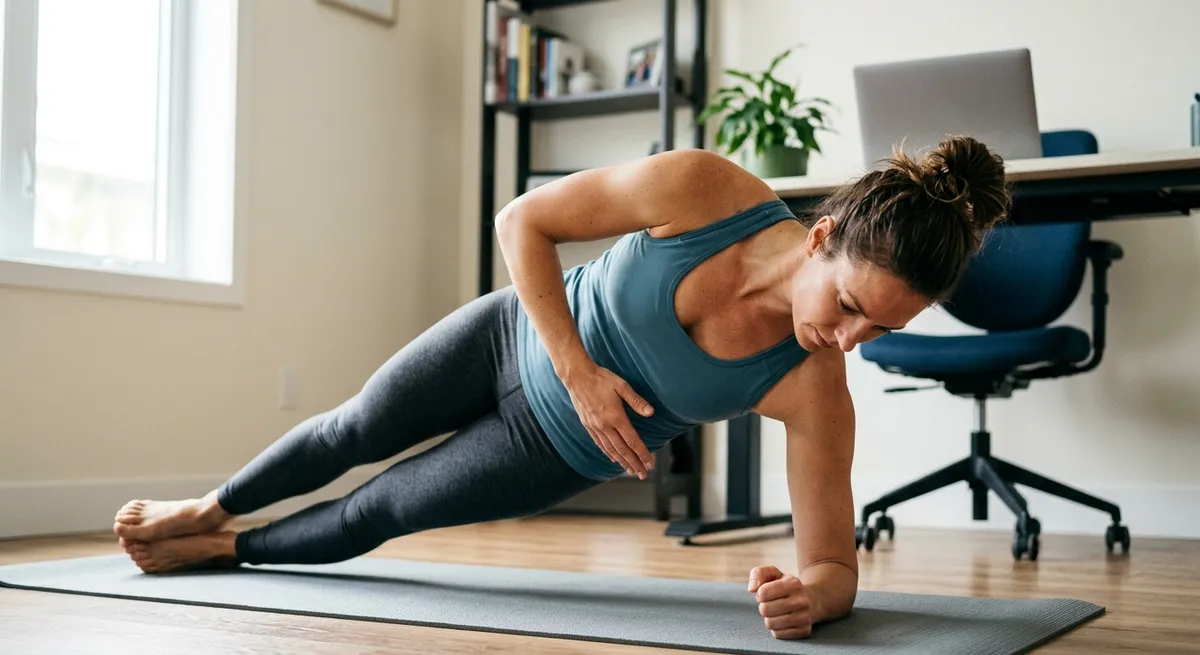
5. Side-Lying Leg Lift
This lateral movement often involves improper hip alignment and compensation patterns that reduce its targeting effectiveness.
Why Proper Form Matters
According to reports, these technique errors can significantly impact workout results. When exercises are performed incorrectly, practitioners may experience back and neck discomfort rather than the intended muscle engagement. The instructor emphasizes that simple form tweaks can transform these movements from potentially problematic to highly effective.
Proper breathing cues also play a crucial role in making Pilates both harder and safer. The coordination of breath with movement is fundamental to Pilates practice, yet it's often overlooked by beginners focusing primarily on the physical positions.
Immediate Application for Home Practice
The instructor's guidance is particularly valuable for those practicing Pilates at home, where form corrections aren't readily available. By understanding the "wrong vs right" versions of these common moves, beginners can self-correct and improve their practice quality.
The emphasis on feeling Pilates in the right muscles helps practitioners develop body awareness—a key component of effective Pilates practice. This internal feedback becomes especially important when exercising independently.
Building a Foundation for Success
Mastering these five basic movements creates a strong foundation for more advanced Pilates work. According to reports, when beginners focus on proper form from the start, they experience better results and reduced risk of discomfort.
The instructor's approach addresses the reality of modern fitness habits, where convenience and accessibility often come at the cost of personalized instruction. By highlighting these specific trouble spots, beginners can approach their practice with greater awareness and intention.
Moving Forward with Confidence
For those new to Pilates, understanding these common mistakes provides a roadmap for improvement. The focus on safety and better muscle engagement aligns with the broader trend toward smarter, more mindful fitness approaches.
By addressing these fundamental form issues, beginners can transform their Pilates practice from a potentially frustrating experience into an effective, enjoyable part of their fitness routine. The key lies in patience, awareness, and the willingness to prioritize proper technique over advanced movements.