Why Your Yoga Practice Should Be Personal
As International Yoga Day approaches on June 21, yoga studios and wellness centers are offering free classes, trials, and special programs. While this increased accessibility is wonderful, choosing the wrong yoga practice can lead to injured muscles and sleepless nights instead of the inner peace you're seeking.
According to reports, yoga should be personalized by age, body type, capacity, health goals, and temperament rather than chosen blindly based on trends or convenience. Understanding the different yoga styles and who they suit best can help you make an informed decision that supports your wellness journey.
Understanding Major Yoga Styles
Hatha Yoga: The Gentle Foundation
Hatha yoga serves as an excellent starting point for many practitioners. This style focuses on basic postures and breathing techniques, making it accessible for beginners and those looking for a gentler approach to movement and mindfulness.
Vinyasa Yoga: Flow and Movement
Vinyasa yoga emphasizes flowing sequences that link breath with movement. This dynamic style appeals to those who enjoy variety and continuous motion in their practice, offering both physical challenge and meditative flow.
Iyengar Yoga: Precision and Alignment
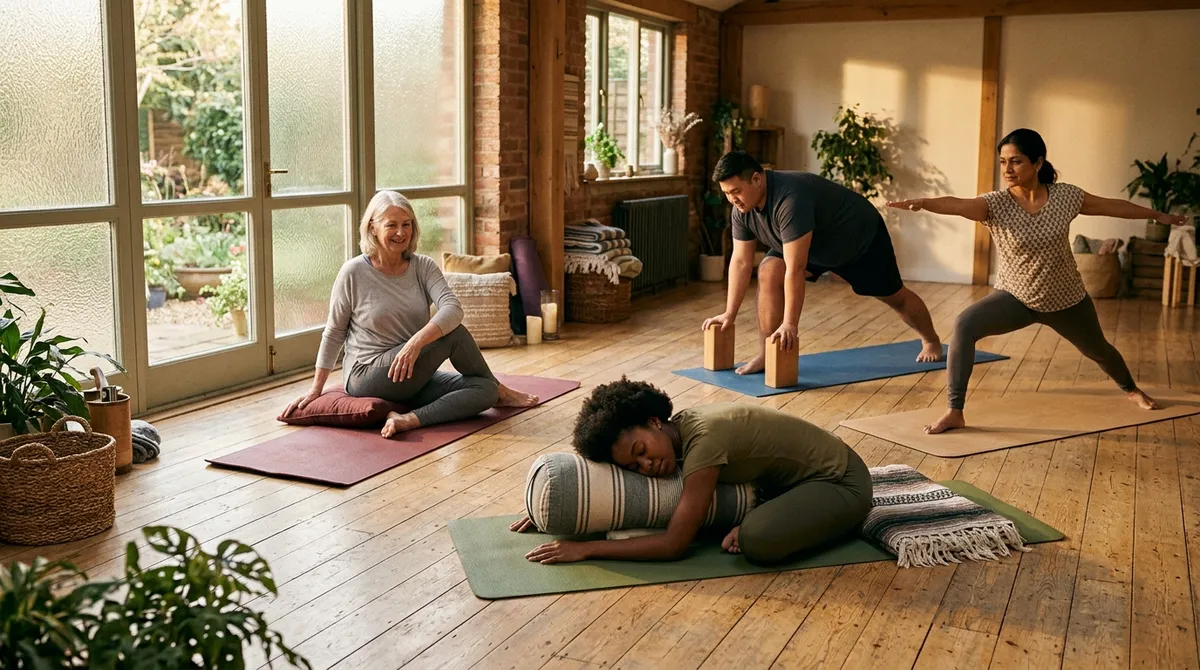
Iyengar yoga places strong emphasis on proper alignment and often uses props to support practitioners in achieving correct postures. This methodical approach benefits those who appreciate detailed instruction and want to build strength gradually.
Sivananda Yoga: Traditional Practice
Sivananda yoga follows a structured sequence incorporating asanas, pranayama (breathing), and relaxation. This traditional approach provides consistency and comprehensive practice elements.
Therapeutic Yoga: Healing Focus
Therapeutic yoga adapts poses and sequences to address specific health concerns or physical limitations. This gentle approach prioritizes healing and rehabilitation over physical challenge.
Yin or Restorative Yoga: Deep Relaxation
Yin and restorative yoga styles involve longer-held poses with minimal effort, focusing on deep relaxation and stress relief. These practices particularly benefit those dealing with high stress or seeking recovery.
Choosing Based on Life Stage and Needs
Children and Teens
Younger practitioners benefit from age-appropriate yoga that incorporates playful elements while building flexibility, strength, and body awareness. According to reports, specialized approaches work best for developing minds and bodies.
Women's Considerations
Women may find certain styles particularly beneficial depending on their life stage, from supporting hormonal balance to addressing specific physical needs throughout different phases of life.
High-Stress Individuals
For men and women dealing with high stress levels, specific yoga styles can provide effective stress management tools and promote better sleep quality. The key is choosing practices that activate the relaxation response rather than adding physical stress.
Seniors
Older adults require yoga practices that prioritize safety, joint health, and maintaining mobility. Gentle styles with modifications ensure seniors can enjoy yoga's benefits without risking injury.
Avoiding Common Pitfalls
The surge in yoga popularity around International Yoga Day brings both opportunities and risks. According to reports, trend-driven participation can lead to poor style choices that result in injury rather than wellness benefits.
Before committing to a yoga practice, consider your current fitness level, any physical limitations, stress levels, and personal goals. What works for your friend or what's trending on social media may not be appropriate for your unique needs.
Making Your Choice
To find your ideal yoga practice, honestly assess your physical condition, available time, and what you hope to achieve. Are you seeking stress relief, improved flexibility, strength building, or spiritual connection? Your goals should guide your style selection.
Consider attending beginner-friendly classes or workshops during International Yoga Day promotions to experience different styles safely. Many studios offer introductory packages that allow you to explore various approaches before committing to one.
Remember that your yoga needs may evolve over time. What serves you now might change as your body, lifestyle, and goals shift. The beauty of yoga lies in its adaptability to support you throughout different life phases.
By choosing thoughtfully rather than impulsively, you'll be more likely to develop a sustainable practice that truly enhances your wellbeing rather than creating additional stress or physical problems.