
The Anti-Aging Power Hidden in Your Muscles
Scientists at Monash University have uncovered compelling evidence that the secret to healthy aging may be hiding in our skeletal muscles. According to new research, a specific protein called NOX4 could be the key mediator behind exercise's remarkable anti-aging benefits.
The groundbreaking study suggests that declining NOX4 levels are directly linked to frailty and muscle loss as we age. More importantly, researchers believe that restoring this protein pathway could significantly improve metabolism, strength, and overall health span in older adults.
Why Your Muscles Matter More Than You Think
This research positions skeletal muscle as more than just the engine of movement—it may actually function as an anti-aging organ. As populations worldwide continue to age, preventing frailty and preserving independence have become major health priorities, making this discovery particularly significant.
The findings point toward a future where targeted therapies could potentially mimic some of the benefits of exercise for older adults who may struggle with traditional fitness routines. This could be revolutionary for maintaining quality of life and independence in later years.
The Strength Training Connection
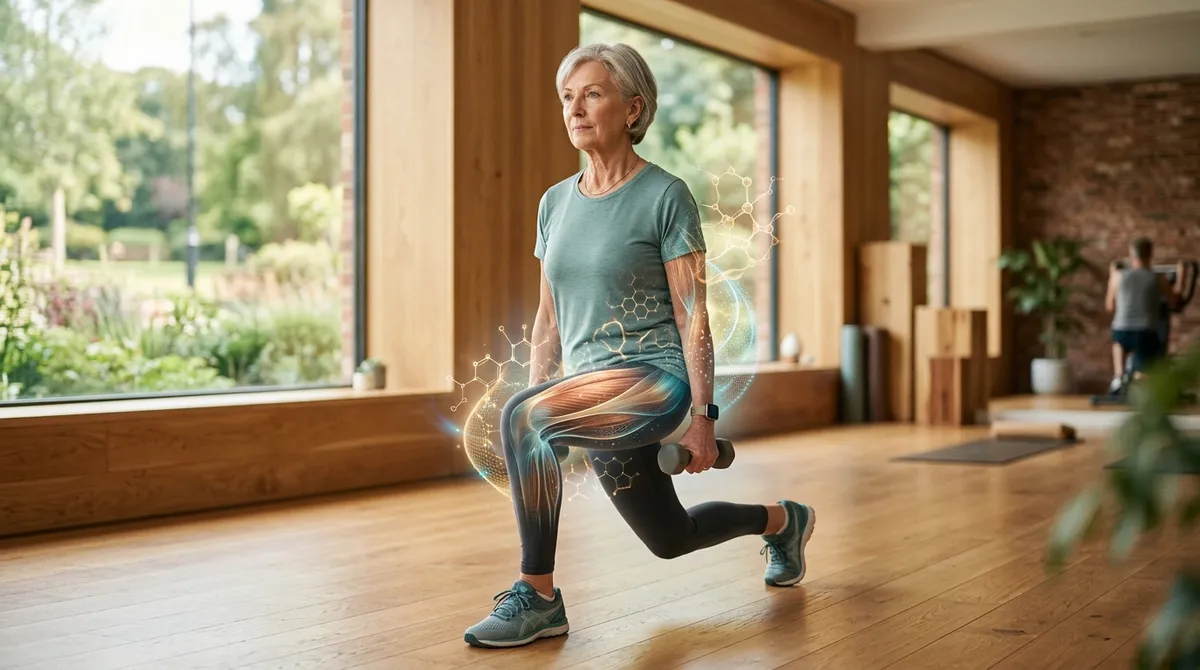
According to the research, strength training becomes increasingly important as NOX4 levels naturally decline with age. This protein pathway appears to be central to how our muscles respond to exercise and maintain their protective effects against aging.
The study reinforces why resistance training and muscle-building activities are crucial components of any healthy aging strategy. As NOX4 levels drop, maintaining muscle mass and strength through targeted exercise becomes even more critical for preserving metabolic health and physical function.
Could Your Dinner Plate Hold Anti-Aging Secrets?
Perhaps most intriguingly, the research suggests that nutrition-based strategies using compounds from cruciferous vegetables could play a role in supporting this anti-aging pathway. Foods like broccoli and Brussels sprouts contain compounds that may help support the NOX4 system.
While more research is needed to understand exactly how these vegetables might mimic exercise benefits, the connection between everyday foods and longevity pathways offers an accessible approach to healthy aging that goes beyond the gym.
Understanding Frailty and Muscle Loss
The science behind frailty reveals a complex relationship between muscle health, metabolic function, and overall resilience. According to the research, the NOX4 protein pathway is deeply involved in this process, helping to explain why some people age more successfully than others.
Muscle loss, known scientifically as sarcopenia, isn't just about physical weakness—it affects metabolism, immune function, and the body's ability to recover from illness or injury. The Monash University findings suggest that targeting the NOX4 pathway could address multiple aspects of age-related decline simultaneously.
Looking Toward the Future
This discovery could pave the way for innovative aging therapies that work at the cellular level to maintain muscle health and function. Rather than simply treating the symptoms of aging, future interventions might target the underlying biological pathways that determine how well we age.
For now, the research reinforces the importance of regular exercise, particularly strength training, in maintaining health span as we age. It also highlights the potential role of a diet rich in cruciferous vegetables as part of a comprehensive approach to healthy aging.
Taking Action Today
While researchers continue to explore the therapeutic potential of targeting NOX4, the current findings emphasize actionable steps we can take now. Regular resistance training, maintaining adequate protein intake, and including plenty of vegetables in our diet may all contribute to supporting the natural anti-aging systems in our muscles.
The research from Monash University represents a significant step forward in understanding how exercise creates its powerful anti-aging effects, potentially opening new doors for maintaining health and independence throughout our later years.