
Understanding Hip Dips: A Natural Body Feature
Hip dips have become the latest focal point of social media scrutiny, with countless posts promising to "fix" these perfectly normal indentations. According to reports, these natural curves that sit below your hips on the outer thigh are now being treated as another body feature turned into an insecurity trend.
The reality is far different from what viral fitness content suggests. Hip dips are normal indentations caused primarily by bone structure, genetics, muscle distribution, and fat distribution—not a flaw that needs correction.
The Science Behind Hip Dips
According to reports, hip dips are largely anatomical features determined by your body's natural structure. Your bone anatomy, genetic makeup, and how your muscles and fat are naturally distributed all play roles in creating these indentations. This means that for most people, hip dips are simply part of their individual body composition.
Understanding this anatomical basis is crucial because it explains why many popular "solutions" fall short of their promises. When something is primarily determined by bone structure and genetics, external interventions have limited ability to create dramatic changes.
Why Exercise Can't Eliminate Hip Dips
While fitness content often promises that specific workouts can make hip dips disappear, according to reports, exercise may change surrounding muscle but cannot eliminate hip dips entirely. This doesn't mean exercise is useless—building strength in your glutes and surrounding muscles can improve your overall fitness and how you feel in your body.
However, it's important to approach glute training safely. Reports indicate that overtraining comes with real risks, particularly when people become obsessed with changing their natural body shape through excessive exercise.
Safe Glute Training Approaches
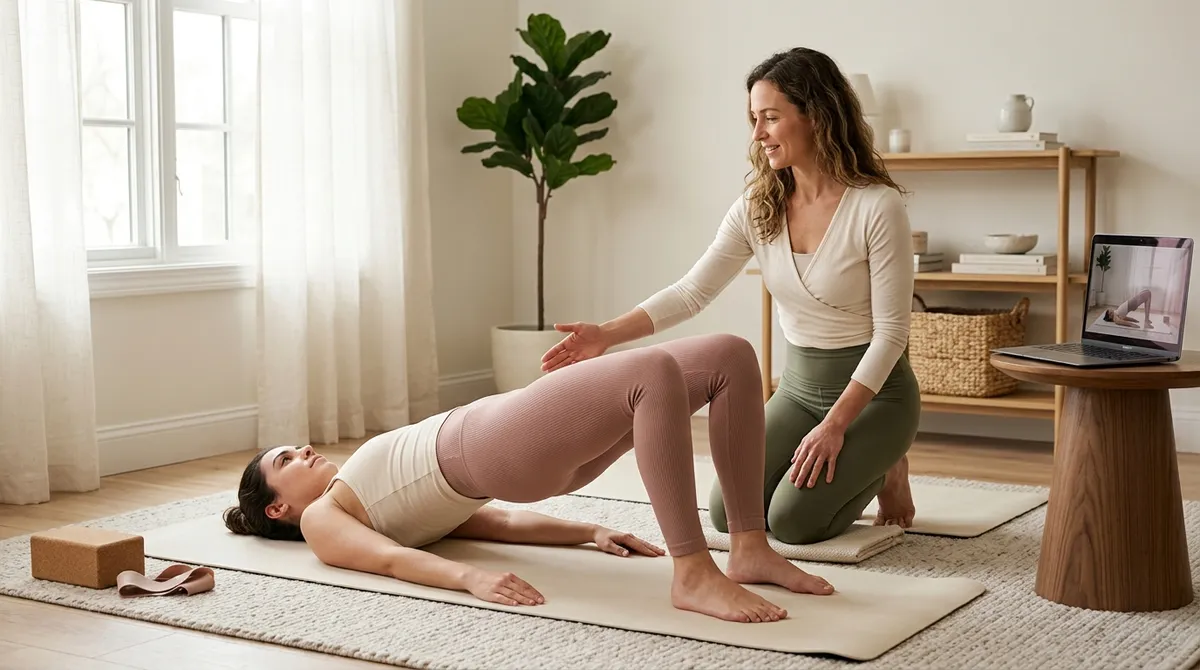
For those interested in strengthening their glute muscles, the focus should be on safe, sustainable practices rather than trying to eliminate natural body features. According to reports, safe glute training involves avoiding overuse and not overloading the hips.
This means incorporating rest days, using proper form, and building strength gradually rather than pursuing intensive programs that promise unrealistic body changes. The goal should be functional strength and overall health, not conforming to social media beauty standards.
Cosmetic Procedures: Understanding the Limitations
Some people consider cosmetic procedures to address hip dips, but according to reports, even these interventions have limitations regarding what they can and cannot accomplish. While cosmetic procedures may alter appearance to some degree, they also come with their own set of risks and considerations.
It's essential to have realistic expectations and thoroughly research any procedures with qualified professionals who can provide honest assessments of potential outcomes.
The Social Media Factor
Reports indicate that social media has played a significant role in turning normal anatomical features into perceived flaws. Hip dips represent another example of how online beauty standards can create anxiety about perfectly natural body characteristics.
This trend reflects a broader pattern where social media content transforms normal body variations into problems that supposedly need fixing. Recognizing this pattern can help individuals make more informed decisions about their relationship with their bodies and social media consumption.
Embracing Body Neutrality
According to reports, hip dips exemplify the importance of body-neutral thinking—the idea that certain physical features are simply anatomical characteristics rather than positive or negative traits. This approach can be particularly helpful when navigating the constant stream of body-focused content online.
Body neutrality involves recognizing that having hip dips doesn't make your body better or worse than others—it simply makes it yours. This perspective can help reduce the anxiety and self-criticism that often accompany social media-driven beauty trends.
Moving Forward with Confidence
The key takeaway about hip dips is understanding that they represent normal human anatomical variation. Rather than viewing them as problems to solve, reports suggest focusing on overall health, functional fitness, and developing a positive relationship with your body as it naturally exists.
For those who feel insecure about their hip dips, remember that body diversity is normal and healthy. What matters most is maintaining your physical and mental wellbeing rather than conforming to ever-changing social media beauty standards.