The Shift Toward Smarter Training After 50
As more women over 50 prioritize strength, longevity, mobility, and active aging, according to reports, outdated fitness advice is increasingly being questioned. In 2026, the conversation is shifting from "slow down with age" to "train smarter for the next stage."
Many common fitness myths can hold women over 50 back from making progress, particularly outdated beliefs about exercise after 40. The core message emerging from fitness experts is that smarter, evidence-based training matters more than following age-based limitations.
Why These Myths Matter Now
These fitness misconceptions may be hurting your progress after 40, according to reports. As the fitness industry evolves, there's growing recognition that many traditional approaches to exercise for mature women are based on outdated assumptions rather than current science.
Common Myths That Need Debunking
Myth 1: You Should Slow Down Significantly After 50
Contrary to popular belief, according to reports, women over 50 can still build strength, improve fitness, and make meaningful progress. The key is training smarter, not necessarily less intensely.
Myth 2: Heavy Weights Are Dangerous
This outdated belief keeps many women from the strength training that could benefit them most. Evidence-based training approaches focus on proper form and progressive loading rather than avoiding challenging weights entirely.
Myth 3: Cardio Is the Only Safe Exercise
While cardiovascular exercise remains important, limiting exercise to only cardio misses opportunities for strength building and bone health maintenance that become increasingly crucial after 50.
Myth 4: Recovery Takes Much Longer
While recovery considerations may change with age, the assumption that women over 50 need drastically extended recovery periods can actually limit progress and adaptation.
Myth 5: High-Impact Exercise Should Be Avoided Completely
This blanket restriction ignores individual capabilities and the potential benefits of appropriate high-impact activities for bone health and functional fitness.
What to Do Instead
Rather than following age-based limitations, according to reports, women over 50 should focus on practical swaps: what to stop believing, what to do instead, and how to train safely with confidence.
Focus on Progressive Training
Instead of automatically reducing intensity, focus on progressive overload principles adapted for your current fitness level and goals.
Prioritize Strength Training
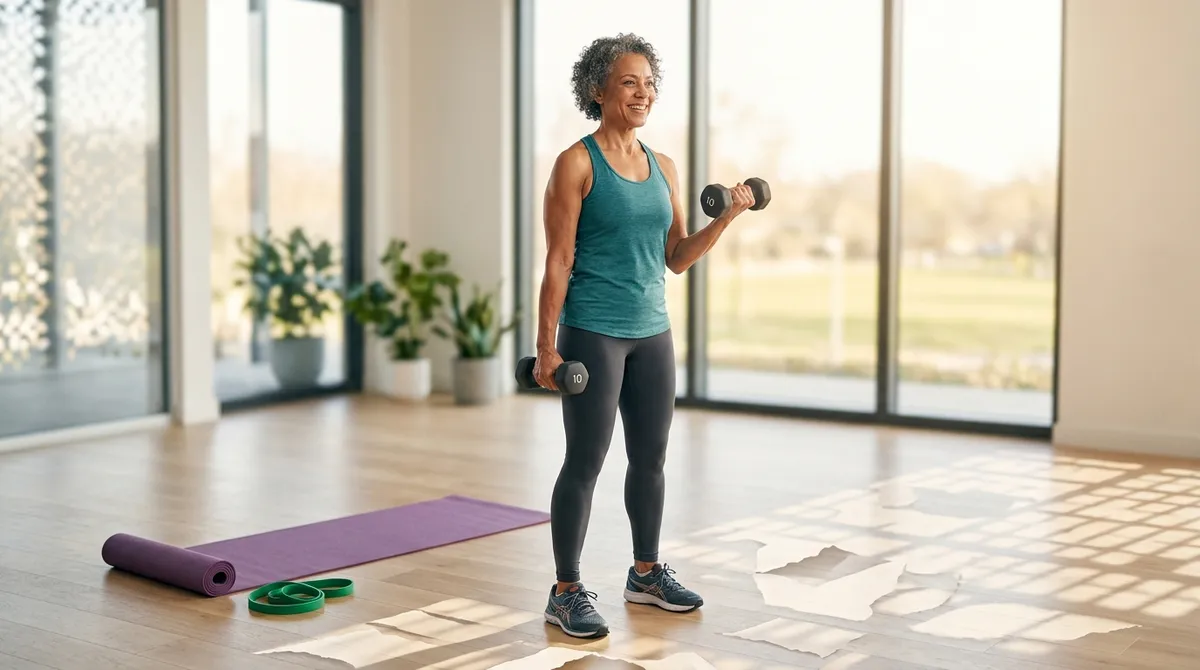
Incorporate regular strength training sessions that challenge your muscles appropriately, focusing on major movement patterns and functional exercises.
Individualize Your Approach
Rather than following one-size-fits-all age-based recommendations, work with qualified professionals to develop a program suited to your specific needs and capabilities.
Training Smarter in 2026
The modern approach to fitness after 50 emphasizes quality over quantity and evidence over assumptions. This means:
- Focusing on movement quality and proper form
- Incorporating adequate recovery without overestimating recovery needs
- Challenging yourself appropriately within safe parameters
- Addressing specific concerns like bone health and muscle mass maintenance
Moving Forward with Confidence
As fitness myths are increasingly being questioned, women over 50 have more opportunities than ever to pursue meaningful fitness goals. The shift toward evidence-based training recognizes that age doesn't automatically mean limitation – it means adaptation and smart programming.
By challenging these outdated beliefs and embracing smarter training approaches, women over 50 can continue building strength, improving mobility, and maintaining active lifestyles well into their later years. The key is separating fact from fiction and focusing on what actually works for long-term health and fitness success.