Natural Strength Building Through Yoga
As at-home fitness continues to gain popularity, many people are seeking accessible ways to build strength without expensive gym equipment. According to recent reports, yoga offers a powerful solution for developing upper body strength naturally while combining the benefits of strength training with improved mobility, posture, and balance.
The practice of yoga provides an effective alternative to traditional gym workouts, targeting multiple muscle groups including the arms, shoulders, chest, back, and core through bodyweight movements that can be performed in any living space.
The Five Essential Poses for Upper Body Development
Plank Pose
This foundational pose serves as a cornerstone for building overall upper body and core strength. The plank engages multiple muscle groups simultaneously, creating a solid foundation for more advanced poses while developing endurance in the arms and shoulders.
Downward Facing Dog
A staple in most yoga practices, this pose naturally builds strength in the shoulders and arms while stretching the back body. The inverted nature of the pose challenges the upper body to support body weight in a unique way that differs from traditional strength exercises.
Chaturanga Dandasana
Often considered the yoga equivalent of a push-up, this challenging pose targets the chest, shoulders, and triceps while requiring significant core engagement. The pose demands proper alignment and controlled movement, making it an excellent strength-building exercise.
Dolphin Pose
This advanced variation builds considerable shoulder and arm strength while preparing practitioners for more challenging inversions. The pose requires sustained engagement of the upper body muscles while maintaining proper alignment.
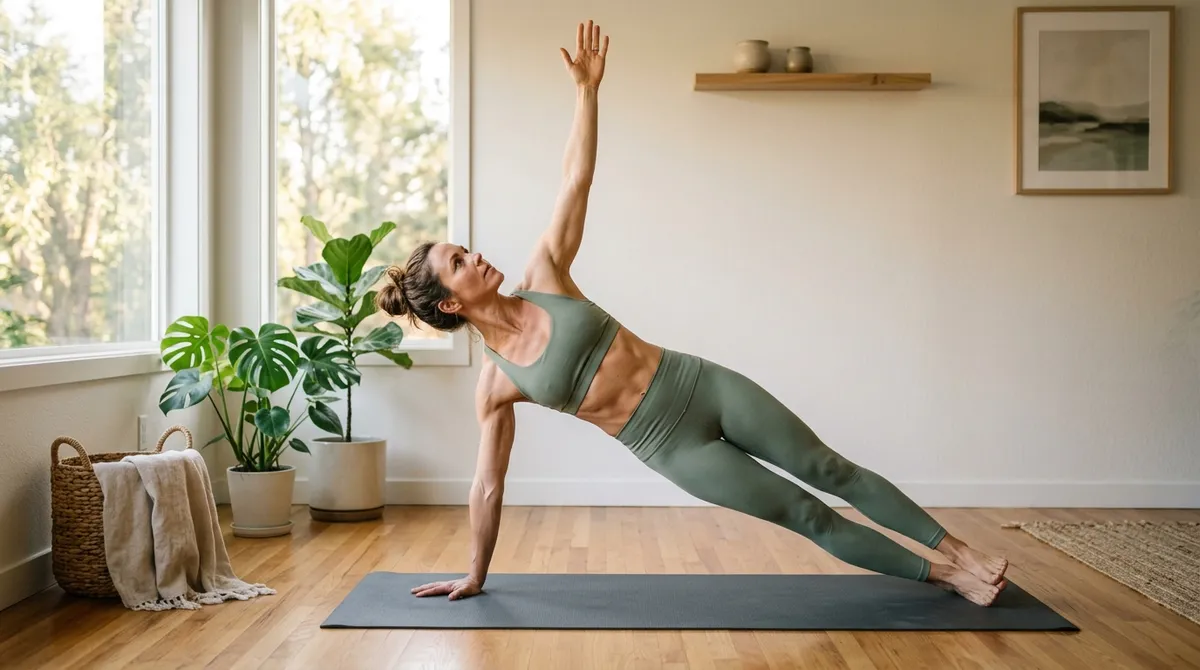
Side Plank Pose
This lateral strength-building pose targets often-neglected muscle groups in the shoulders and core while improving overall stability and balance. The unilateral nature of the pose challenges the body in ways that traditional exercises may not address.
Growing Demand for Equipment-Free Workouts
Reports indicate that low-equipment strength training remains popular as people continue to seek accessible fitness solutions. The appeal of yoga for strength building lies in its dual benefits – developing physical strength while simultaneously improving flexibility, balance, and mental focus.
This approach to fitness aligns with the growing demand for workouts that offer multiple benefits beyond simple muscle building. Practitioners can develop functional strength that translates to improved daily movement patterns and overall physical well-being.
Building Your Practice
These five poses can be combined into a comprehensive upper body strength routine that fits into busy schedules. The beauty of this approach lies in its accessibility – no special equipment or gym membership required, just a yoga mat and dedication to consistent practice.
For beginners, modifications exist for the more challenging poses like Chaturanga and Side Plank, making this approach to strength building suitable for various fitness levels. As practitioners develop strength and confidence, they can progress to more advanced variations.
The Yoga Advantage
Unlike traditional gym workouts that may isolate specific muscle groups, yoga poses work multiple areas simultaneously while emphasizing proper alignment and breath awareness. This holistic approach to strength building can lead to more balanced muscle development and reduced injury risk.
The practice also offers mental benefits, combining physical challenge with mindfulness and stress reduction – advantages that purely strength-focused workouts may not provide.
Sustainable Strength Development
This natural approach to upper body strength building represents a sustainable fitness solution that can be maintained long-term. The poses can be practiced anywhere, making consistency more achievable for those with busy lifestyles or limited access to fitness facilities.
As more people recognize the effectiveness of bodyweight training combined with the additional benefits of yoga practice, this approach to strength building continues to gain recognition as a viable alternative to conventional gym-based workouts.