
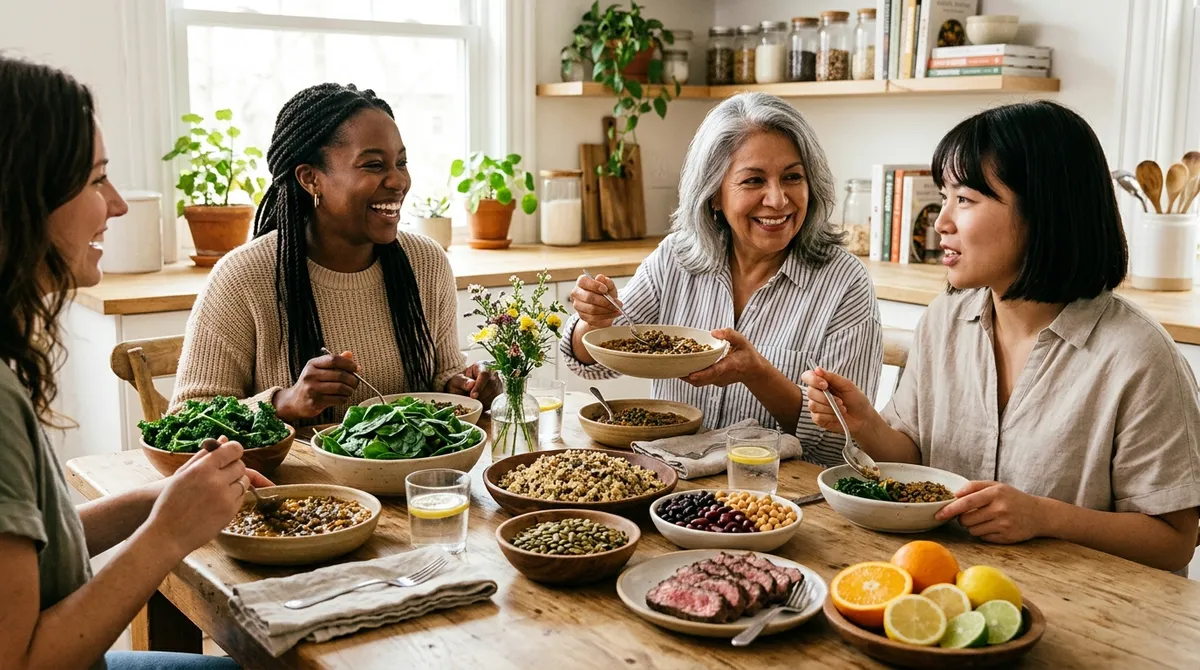
Iron plays a crucial role in maintaining overall health, with women requiring more of this vital nutrient than men. Understanding why this disparity exists and identifying iron-rich foods can help women maintain optimal health and prevent iron deficiency.
Understanding Iron's Role in the Body
Iron is an essential component of hemoglobin, the protein in red blood cells responsible for transporting oxygen throughout the body. This mineral also supports energy production and the functioning of various enzymes. Insufficient iron levels can lead to anemia, characterized by fatigue, weakness, and impaired cognitive function. Therefore, maintaining adequate iron levels is crucial for overall well-being.
Why Women Need More Iron
Women have higher iron needs due to several physiological factors. One of the primary reasons is menstruation, which causes regular blood loss, depleting iron stores. Additionally, women require more iron during pregnancy to support the growing fetus and increase blood volume. These factors make it vital for women to pay close attention to their iron intake.
Menstruation and Iron Loss
Monthly menstrual cycles lead to a significant loss of iron, which must be replenished through diet or supplements. Women of childbearing age need more iron than men to compensate for this regular loss. Eating iron-rich foods can help prevent deficiencies that may result from menstruation.
Increased Needs During Pregnancy
Pregnancy demands higher iron intake to support the developing baby and the mother's increased blood volume. Pregnant women often require iron supplements to meet these heightened needs, ensuring both maternal and fetal health are safeguarded.
Iron-Rich Foods for Women
Incorporating iron-rich foods into the daily diet is crucial for maintaining adequate iron levels. Both heme and non-heme iron sources should be included for maximum benefit.
Heme Iron Sources
Heme iron, found in animal products, is easily absorbed by the body. Red meat, poultry, and fish are excellent sources of heme iron. Including these foods in meals can significantly boost iron intake.
Non-Heme Iron Sources
Non-heme iron comes from plant-based foods. While not as easily absorbed, it can still contribute to overall iron intake. Foods like lentils, beans, tofu, and spinach are rich in non-heme iron. Consuming these with vitamin C-rich foods can enhance absorption.
Iron-Fortified Foods
Many foods are fortified with iron to help individuals meet their daily requirements. Breakfast cereals, bread, and pasta are often enriched with additional iron. Checking labels can help identify these fortified options.
Tips for Improving Iron Absorption
Maximizing iron absorption can ensure that dietary intake meets the body's needs. Consuming vitamin C alongside iron-rich foods can enhance absorption. Foods like citrus fruits, strawberries, and bell peppers are excellent sources of vitamin C. Additionally, avoiding tea and coffee during meals can prevent interference with iron absorption.
Cooking Techniques
Using cast iron cookware can increase the iron content of food. This simple technique can be especially beneficial for those with higher iron needs. Cooking acidic foods like tomatoes in cast iron pans can boost iron intake.
Conclusion
Women need more iron than men due to menstruation and pregnancy demands. Incorporating a variety of iron-rich foods and employing strategies to enhance absorption can help maintain adequate iron levels. By understanding the importance of iron and taking proactive steps, women can support their health and vitality.